Decide by how you will use the kit: one person bleeding at home, frequent fluid flushes, or occasional brake work. Pressure bleeders move fluid fast and suit regular servicing, while vacuum pumps are cheaper and simpler but slower. The main tradeoff is speed and cleanliness against cost and storage space.
First, Match the Kit to How You Bleed
Brake bleeding kits fall into three working styles. A gravity bleeder is just a tube and a catch bottle, and it relies on fluid flowing down on its own. A vacuum pump pulls fluid through the bleeder screw, while a pressure bleeder pushes fresh fluid from the master cylinder. Each style changes how long the job takes and how much mess you make.
For a home mechanic working alone, a vacuum pump or pressure bleeder is usually the realistic choice. Gravity bleeding needs a second person to press the pedal, unless you add a one way valve to the tube. Compare the style to the jobs you actually do, not the jobs you imagine doing once a year.
The Seal at the Reservoir Decides Whether Air Stays Out
A pressure bleeder only works if the cap seals tightly on your master cylinder. Many kits include a universal cap with a rubber gasket, but master cylinder shapes vary by vehicle. Check the listing for the cap diameter and whether adapters are included for your make and model.
A loose cap lets air back into the system, which is the exact problem you are trying to remove. Even a small gap can create a spongy pedal after you finish. If the kit does not list your vehicle, ask the seller before buying.
Fluid Capacity and the Refill Problem
Small catch bottles and small pressure tanks force you to stop mid job to refill or empty them. For a full flush of all four brakes, a pressure bleeder tank under two quarts may run dry before the last caliper. Vacuum pump catch cups often hold only a few ounces, so you will empty them several times.
Larger capacity costs more and takes more shelf space, but it saves time on every job. If you only bleed one caliper after replacing a hose, a small kit is fine. For full flushes, check the tank or cup volume before you buy.
Cleanup Effort Separates a Quick Job From a Chore
Brake fluid is corrosive to paint and irritating to skin, so every kit leaves you with something to clean. A gravity bleeder leaves only the catch bottle and a short tube. A vacuum pump leaves fluid inside the pump body, which needs rinsing with water or denatured alcohol after use.
A pressure bleeder leaves the tank, the hose, and possibly the cap adapter coated in fluid. You will also need to depressurize the tank before opening it. Factor that cleanup time into the total job, especially if you work in a compact garage with no sink nearby.
| Style | Speed | Cleanup effort | Suits |
|---|---|---|---|
| Gravity bleeder | Slow | Minimal | Rare use with a helper |
| Vacuum pump | Moderate | Moderate | Occasional one person jobs |
| Pressure bleeder | Fast | More involved | Frequent full flushes |
Speed and cleanup move in opposite directions. A pressure bleeder finishes a four wheel flush fastest but leaves the most fluid to wipe up. A gravity bleeder is nearly mess free but can take an hour or more for the same job.
Read the Listing for What Is Not in the Photo
Product photos often show a complete setup, but the base kit may not include every adapter or hose shown. Check the included items list carefully. Does it come with the catch bottle, or is that sold separately? Are the bleeder screw wrenches included, or do you use your own?
Look for the master cylinder cap thread size and the bleeder screw sizes the kit fits. If the listing only says 'universal', ask the seller which vehicles it has been confirmed on. A kit that fits most European cars may not fit an older American truck without an extra adapter.
Skip the Kit If You Only Need One Bleed
A brake bleeding kit is a tool for repeated use. If you are changing one caliper and do not expect to bleed brakes again for years, a simple length of clear tubing and a catch bottle from a parts store may do the job. You can also rent a pressure bleeder from some auto parts chains for a single afternoon.
Buy the kit when you plan to bleed brakes at least once a year, or when you work on multiple vehicles. For a weekend servicing habit, a mid range vacuum pump or a small pressure bleeder pays for itself in saved time after a few jobs.
Older Vehicles Bring a Different Fit Problem
Cars built before the 1990s often have metal master cylinder reservoirs with a different cap thread than modern plastic reservoirs. A pressure bleeder cap that fits a modern Honda may not seal on a 1980s Ford. Check the adapter list for your vehicle's year, not just the make.
Older brake systems also tend to have more rust around the bleeder screws. A vacuum pump can struggle to pull fluid if the screw threads leak air. In that case, a pressure bleeder or a helper on the pedal may be the only way to get a firm pedal.
Storage Size Matters in a Compact Garage
A pressure bleeder with a large tank and a case takes up real shelf space. A vacuum pump with a hand trigger and a few hoses fits in a shoebox. If you work out of a small tool chest or a compact garage, compare the stored dimensions before you buy.
Some kits include a blow molded case that keeps the hoses and adapters organized, but the case itself is bulky. A simple vacuum pump kit in a cloth bag may be easier to tuck away. Decide whether the case is a benefit or a space cost for your setup.
Brake Bleeding Kit Questions Before You Buy
Is a brake bleeding kit worth it for a home mechanic?
Yes, if you bleed brakes more than once a year or work alone. A vacuum pump or pressure bleeder turns a two person job into a one person job and reduces the chance of air left in the lines. For a single caliper replacement, a length of clear tubing and a catch bottle may be enough.
Which brake bleeding kit works best for ABS systems?
Most pressure and vacuum bleeders work on ABS systems for routine fluid flushes, as long as the master cylinder cap fits. If air has entered the ABS module itself, you may need a scan tool to cycle the pump. Check the kit's instructions for any ABS specific steps before you start.
What is the difference between a vacuum and pressure brake bleeder?
A vacuum bleeder pulls old fluid out through the bleeder screw using a hand pump or compressor. A pressure bleeder pushes fresh fluid from the master cylinder down through the lines. Pressure bleeders are faster and less likely to pull air past the bleeder screw threads, but they cost more and need a tight reservoir cap.
Can I use a brake bleeding kit by myself?
Yes, with a vacuum pump or pressure bleeder. Both let you work alone at each wheel. Gravity bleeding usually needs a second person to press the brake pedal, unless you add a one way check valve to the hose.
How do I know if a brake bleeding kit fits my car?
Check the listing for the master cylinder cap thread size and included adapters. Many kits list the vehicle makes or years they fit. If your car is not listed, ask the seller before ordering. A universal cap may not seal on every reservoir shape.
The Best Brake Bleeding Kit for Your Garage
A home mechanic who bleeds brakes once or twice a year and works alone should get a vacuum pump kit with a catch bottle and a few common adapters. It costs less, stores small, and handles most caliper and hose jobs. If you flush fluid on multiple vehicles every season, step up to a pressure bleeder with a tank that holds at least two quarts and a cap that fits your specific master cylinder.
Real brake bleeding kit listings, so you can check the points in this guide against actual products. These are affiliate links: as an Amazon Associate we earn from qualifying purchases, at no extra cost to you.
 ORION MOTOR TECH OMT One-Man Brake Bleeding Kit with Hand Vacuum Pump and…
View on Amazon ↗
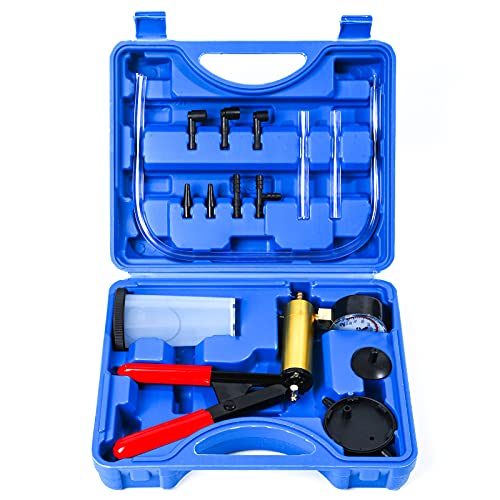 ZJERYL GULL ZJERYL GULL 2 in 1 Brake Bleeder Kit with Hand…
View on Amazon ↗
 ZEAJSRU ZEAJSRU Handheld Vacuum Pump Brake Bleeder Kit with Pressure Gauge,…
View on Amazon ↗
Listing names and images come from Amazon and are rechecked against the live listings; last checked Nov 8, 2026. No prices shown; the current price is on the listing.
About this guide. This guide covers brake bleeding kits as a product type, not individual models. It is written from general category knowledge without reading product reviews or handling any units. Verify the master cylinder cap thread and included adapters on the listing before you buy.