Start with who steps on it and where it lives. For a shared bathroom, a flat, stable platform with a large display matters most. For travel or a small household, a compact or lightweight design beats extra metrics. The main tradeoff is between extra body composition readings and long term consistency: fancier scales ask more setup and can be less predictable day to day.
The Platform Decides the Habit
A scale that wobbles or feels cramped gets left in the cupboard. Check the platform dimensions and the weight limit before anything else. A wider surface with a textured or matte finish gives a more confident step, especially for older adults or anyone with balance concerns.
Compare the listed size against the floor space you actually have. A scale that juts into a walkway becomes a tripping hazard. For small bathrooms, a slim profile or a design that slides under a shelf can matter more than any smart feature.
Pay attention to the feet. Rubber or nonslip pads keep the scale from sliding on tile or vinyl. If the listing does not mention the base material, ask the seller before buying.
Older Adults and Caregivers Need a Different Check
For elderly family members, the display is the deciding feature. Look for numbers at least an inch tall, with strong contrast. A backlit screen helps in a dim hallway or bedroom, and a scale that speaks the weight aloud can remove the need to bend or squint.
Caregivers often weigh someone on a schedule. A scale with a memory that stores the last reading, or a few past readings, cuts down on note taking. Some models allow two or more user profiles, which helps when several people share one device.
A low, flat step is easier than a raised platform. Check the height listed in the description. Even a half inch difference matters for someone with stiff knees or a walker.
What the Extra Metrics Actually Change
Body fat, muscle mass, water percentage, and BMI sound useful, but they rely on estimates. These readings change with hydration, meal timing, and where you place the scale. Treat them as rough trends, not lab results.
Body composition scales send a tiny electrical signal through your feet. That means they need bare feet and consistent conditions to give repeatable numbers. If you weigh yourself at different times of day or right after a shower, expect swings.
For most home monitoring, a plain weight reading is enough. Doctors and physical therapists rarely ask for a home body fat number. If you only need to track weight, skip the extra metrics and the app setup that comes with them.
Travel and Small Households Shift the Priorities
Frequent travelers rarely need a full size scale. A compact or foldable design fits in a suitcase, but check the maximum weight and the battery type. Coin cell batteries are easier to replace on the road than a built in rechargeable pack.
Small households, meaning one or two people, can choose a narrower platform without losing accuracy. A scale with a single user profile or no profiles at all is simpler and often cheaper. Skip multi user memory unless you actually need it.
If the scale moves between rooms or homes, look for a lightweight body and a carry handle or slim shape. A heavy glass top looks premium but is harder to move safely.
Where You Put It Changes the Number
A scale is only as consistent as the floor beneath it. Carpet, uneven tile, or a bathroom mat can shift the reading by several pounds. Choose a hard, flat surface and use the same spot every day.
Check the listing for a note about carpet feet or a hard floor recommendation. Some scales include small feet for carpet, but they still work best on a firm floor. If your only space is carpeted, ask the seller whether the model is designed for it.
Humidity and temperature swings in a bathroom can affect the sensors over time. A scale stored in a dry hall closet often stays more stable than one left next to a steamy shower.
Reading a Listing Without Falling for Marketing
Ignore phrases like 'clinically accurate' or 'professional grade'. These are not regulated terms on a home scale. Instead, check the stated accuracy range, often plus or minus 0.2 to 0.4 pounds, and the maximum capacity.
Look at the battery type and expected life. Some scales list 12 to 24 months on a set of batteries, while others need a charge every few weeks. Replaceable AAA or lithium coin cells are easier to manage than a sealed rechargeable unit.
Ask the seller three questions if the listing is thin: the exact platform dimensions, the display height in inches, and whether the scale needs calibration after moving. A clear answer usually signals a better made product.
Comparison by Design Type
Use this table to match a design to your routine before you compare individual models.
| Design type | Platform feel | Display clarity | Setup effort | Suits |
|---|---|---|---|---|
| Basic digital | Compact, firm | Small to medium | None | Solo users, tight spaces |
| Large platform | Wide, stable | Medium to large | None | Older adults, shared baths |
| Smart scale | Moderate size | Medium, often backlit | App pairing | App trackers, multi user homes |
| Body composition | Moderate to large | Medium, metric heavy | Profiles, bare feet | Fitness enthusiasts, trend watchers |
A basic digital scale and a body composition scale can sit at the same price tier. The difference is not build quality, it is how much setup and interpretation you accept.
Mistakes That Send the Scale Back
Buying by maximum weight alone is a common mistake. A 400 pound capacity means little if the platform is too narrow for a comfortable stance. Check the width as well as the limit.
Another mistake is placing the scale on a rug or uneven floor and blaming the sensor. Level the scale on a hard floor and step on the same way each time, weight centered, before judging accuracy.
Skipping the battery type creates a hidden cost. A scale with an unusual flat battery can be hard to replace. Stick with common AAA or CR2032 cells unless you are comfortable ordering specialty parts.
Finally, do not buy a smart scale just for the app. If your household already tracks health data in a specific platform, check that the scale syncs with it. Otherwise the extra features go unused.
Body Weight Scale Questions Worth Asking Before You Buy
Is a body weight scale accurate enough for home monitoring?
Yes, for tracking changes over time. Most home scales read within plus or minus 0.2 to 0.4 pounds, which is fine for spotting trends. The key is consistency: same spot, same time of day, same floor. Absolute accuracy matters less than repeatability.
Which body weight scale is easiest for an elderly person to use?
Look for a low, wide platform with a large backlit display and nonslip feet. A scale that speaks the weight aloud or stores the last reading helps too. Avoid models that require an app or bare feet unless a caregiver sets them up.
What is the difference between a smart scale and a body composition scale?
A smart scale syncs your weight to an app via Bluetooth or Wi-Fi. A body composition scale adds estimates for body fat, muscle, and water. Many smart scales include body composition, but the extra metrics need bare feet and consistent conditions to be useful.
Should I buy a scale with a rechargeable battery?
Only if you will remember to charge it. Replaceable AAA or coin cell batteries often last a year or more and are easier to swap. A rechargeable scale avoids battery purchases but adds another device to your charging routine.
How do I compare two scales with similar features?
Put the platform dimensions, display height, battery type, and floor surface requirements side by side. Then check the weight limit and whether the feet are nonslip. These practical details matter more day to day than the number of metrics listed.
The Scale That Fits the Room, Not Just the Routine
A person weighing in daily in a small bathroom does best with a basic digital scale with a large, backlit display and a nonslip platform. Skip the app and extra metrics unless you already track trends in a health platform. A caregiver managing an older adult should instead pick a low, wide model with spoken readings and a simple memory, even if it costs a bit more. For a traveler, a compact coin cell scale beats both.
Real body weight scale listings, so you can check the points in this guide against actual products. These are affiliate links: as an Amazon Associate we earn from qualifying purchases, at no extra cost to you.
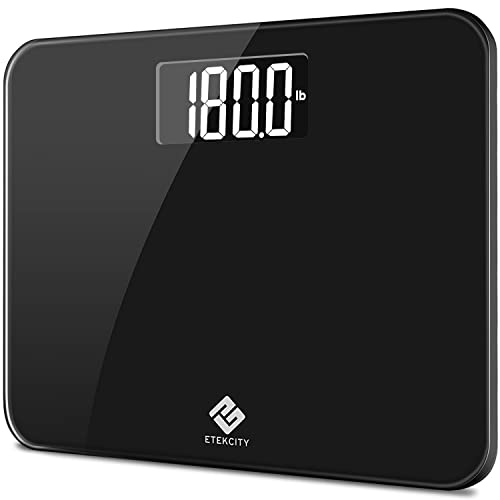 ETEKCITY Etekcity Digital Body Weight Bathroom Scale, 440 lb Extra Wide…
View on Amazon ↗
 HEALTHKEEP Digital Bathroom Scale for Body Weight: High-Precision 4-Sensor Accuracy, LED…
View on Amazon ↗
 RUNSTAR RunStar 550lb Bathroom Digital Scale for Body Weight with Ultra-Wide…
View on Amazon ↗
Listing names and images come from Amazon and are rechecked against the live listings; last checked Nov 8, 2026. No prices shown; the current price is on the listing.
What this guide is. This guide covers how to choose among body weight scale designs, not which individual model to buy. It is written from general knowledge of the product category, without reading model documents or reviews, so confirm any dimension or feature on the listing before ordering.