A Bluetooth tracker only helps if it fits the phone you carry and the places you lose things. Android buyers need a tracker that works with Google's Find My Device network, while iPhone owners get more range from an Apple Find My tracker. Compare network size, battery type, and alert loudness before anything else. The main tradeoff is between wide network coverage and a replaceable battery.
Check Your Phone Before the Tracker
A tracker is an accessory to your phone, not a standalone device. Open your phone settings and confirm which finding network you can use. iPhones connect to Apple's Find My network. Most Android phones now connect to Google's Find My Device network, but older Android versions may not support it.
If you carry an iPhone, a tracker that uses the Find My network will show its location on a map inside the built in Find My app. If you carry an Android phone, confirm your phone runs a recent version of Android and that the tracker works with Google's network. Some trackers only work with their own app, which limits who can help find your lost item.
A phone with an older operating system may still pair over Bluetooth but miss the wider network features. Check the tracker's listing for a minimum OS version. This matters most for hand me down phones or devices that no longer receive updates.
Where You Lose Things Sets the Network Need
Think about the last three items you lost. Were they in your home, at a cafe, or on a train? If you lose things inside your home, any tracker with a loud alert will work. You can make it ring from your phone as long as you are within Bluetooth range, often 30 to 100 feet.
If you lose things away from home, the finding network decides whether you get a location back. A network uses other phones from the same brand to detect your tracker and send its location to you privately. Apple's network is large in North America and Europe. Google's network is growing quickly because many Android phones can join it.
In areas with few phones of either type, no network helps much. A rural cabin or a hiking trail may not have enough passing phones to detect a lost tracker. In that case, the tracker still helps for short range finding only.
Digital nomads and business travelers face a specific pattern. You move through airports, hotels, coworking spaces, and transit. A tracker with a wide network gives you a chance to see which terminal or hotel your bag reached. A tracker with a small network may only show the last place your phone was near it.
Students often lose keys or a backpack on campus. A campus has many phones, so a tracker with a popular network works well. Remote workers who mostly stay home may only need the ring feature to find a remote or a wallet between couch cushions.
Battery Style Shapes Long Term Cost
| Battery style | Replacement effort | Typical life | Best for |
|---|---|---|---|
| Coin cell, user swappable | Low, buy a standard cell | Often 1 to 2 years | Keys, luggage, items you keep for years |
| Rechargeable, built in | None, plug it in | Often 6 to 12 months per charge | Everyday carry items you charge anyway |
| Sealed, non replaceable | Replace the whole tracker | Often 1 to 3 years | Wallets, cards, slim items |
Coin cell trackers keep long term cost low. A single CR2032 cell often lasts a year or more and costs very little. You can replace it yourself in a minute. This style suits people who attach a tracker to luggage, a bike, or a set of keys that stays in use for years.
Rechargeable trackers remove the coin cell errand. You charge them with a cable or a dock every few months. The tradeoff is that the battery eventually wears out, and the whole tracker may need replacement. Check whether the listing states a charge cycle limit.
Sealed trackers are the thinnest option. A card shaped tracker slides into a wallet or passport holder. When the battery dies, you replace the entire card. That makes the long term cost higher, but the slim fit may be worth it for travel documents.
Volume and Alert Style Decide if You Hear It
A tracker that whispers is useless when your keys are under a pile of laundry. Compare the listed alert volume in decibels if the seller provides it. Many trackers fall in a range around 80 to 100 decibels at close range. A higher number means the ring cuts through more background noise.
Some trackers let you change the ringtone or set a custom sound. This helps if you carry two trackers and want to know which one is ringing. A few trackers also flash a small light, which helps in a dark room or a bag.
The ring only matters within Bluetooth range. Once your item is far away, the alert does not reach you. That is why network range and alert volume are separate decisions.
Shape Decides What You Can Track
Most trackers are small rounded squares with a hole for a key ring. That shape works for keys, bags, pet collars, and luggage handles. But it is too thick for a wallet or a passport holder.
A card shaped tracker is about the thickness of two credit cards. It fits into a wallet slot, a passport cover, or a slim document case. It usually lacks a key ring hole, so it is not ideal for dangling from a bag.
A sticker tracker is a small disc with adhesive. You can stick it to a remote, a laptop, a bike frame, or the underside of a toolbox. The adhesive may wear out, and the tracker has no hole for a lanyard.
Think about how you will attach the tracker before you buy. A tracker that needs a separate holder or case adds cost and bulk. Some luggage trackers come with a built in loop or a mount for a bike.
Privacy and Anti Stalking Settings
A tracker can be misused to follow a person without their knowledge. Most major networks now alert a phone if an unknown tracker is moving with it. That alert may be a notification or a sound from the tracker itself.
Check the listing for the network's anti stalking policy. A tracker that alerts strangers may also alert you if someone slips one into your bag. This is a safety feature for travel and public transit.
Some trackers let you share a tracker's location with a family member or a travel partner. This helps when two people are responsible for one bag. Check whether sharing requires the same phone brand or a separate app.
Reading a Listing Before You Buy
A listing that only says 'works with Bluetooth' tells you little. Bluetooth is the short range connection, not the finding network. The finding network is what reports the tracker's location when your phone is not nearby.
Ask the seller whether the tracker requires a subscription for full features. Some trackers offer basic finding for free but charge for location history or alerts. That recurring cost can outweigh a low upfront price.
If you plan to use the tracker in another country, ask whether the finding network is active there. Network density varies by region, and a tracker that works well in the US may have fewer helper phones in another country.
- Confirm the phone compatibility line names your exact phone brand and OS version.
- Check the battery style: user replaceable coin cell, rechargeable, or sealed.
- Look for the finding network name: Apple Find My, Google Find My Device, or a brand specific app.
- Ask the seller about the alert volume in decibels if it is not listed.
- Verify the tracker's dimensions in millimeters against the wallet or slot you plan to use.
- Check the water resistance rating if you will attach it to a bike or pet.
Who Should Skip a Bluetooth Tracker
A Bluetooth tracker is not a GPS tracker. It does not have its own cellular connection or real time location updates. If you need to track a vehicle in motion or see a live route, a GPS tracker with a data plan is the right tool.
If you rarely lose things, a tracker may add clutter. A simple key hook by the door or a designated pocket in your bag solves the same problem for less. A tracker helps when losing an item costs time, money, or stress.
If you want to track a pet that roams far from home, a Bluetooth tracker is often too limited. It only reports a location when another phone from the same network passes nearby. A dedicated pet GPS collar with cellular service gives more reliable range.
If your phone is very old and cannot run the finding network app, the tracker becomes a short range buzzer. That may still help around the house, but it will not help you find a bag left at a restaurant.
Mistakes That Turn a Tracker Into a Paperweight
The most common mistake is buying a tracker that does not match your phone's network. An Android user who buys an Apple Find My tracker cannot use the Find My app. An iPhone user who buys a Google network tracker misses the larger iPhone helper network.
Another mistake is ignoring battery style. A sealed card tracker that dies after a year means you buy a new tracker, not a new battery. A coin cell tracker that needs a screwdriver to open may be annoying if you have arthritis or travel often.
Some buyers attach a tracker to an item that moves a lot, like a pet collar, without checking the mount. A key ring hole is not secure on a dog collar. A sticker tracker can fall off a fabric surface that flexes.
A final mistake is expecting the tracker to prevent theft. It can help you locate an item after it is lost, but it does not lock a bag or stop a thief. A visible tracker may deter a casual thief, but a determined one can remove it.
Bluetooth Tracker Questions Before You Buy
Is a Bluetooth tracker worth it for a digital nomad?
Yes, if you move through airports, coworking spaces, and hotels regularly. A tracker with a wide finding network can show you which city or building your bag reached after it left your side. Without a network, you only get a short range ring. Compare Apple Find My and Google Find My Device coverage in the countries you visit most.
Which Bluetooth tracker works with an older phone?
Check the tracker's minimum operating system requirement in the listing. Some trackers work with older iOS or Android versions but may not support the full finding network. If your phone cannot run the required app, the tracker still works as a short range buzzer within Bluetooth range. For older phones, choose a tracker with a simple app and a user replaceable battery.
What is the difference between Bluetooth range and finding network range?
Bluetooth range is the direct connection between your phone and the tracker, often 30 to 100 feet. Finding network range is how far away the tracker can be detected by other phones from the same brand. A tracker with a large network can be located across a city or country, while Bluetooth alone only helps in the same room.
Can I use one Bluetooth tracker for keys and luggage?
Yes, but the shape matters. A key ring tracker attaches easily to both keys and a luggage handle. A card shaped tracker fits a wallet but not a key ring. A sticker tracker can go on a laptop or remote but not a dangling key chain. Choose a shape that works for the item you lose most often.
Does a Bluetooth tracker require a subscription?
Some trackers include basic finding for free, while others charge for location history, alerts, or family sharing. Read the listing carefully and ask the seller about recurring costs. A low upfront price can hide a monthly fee. For most buyers, a tracker without a required subscription is the simpler long term choice.
Which Bluetooth Tracker Fits Your Daily Carry
For keys, a backpack, or a suitcase that stays in use for years, a coin cell tracker with a key ring hole and a wide finding network is the practical pick. It keeps long term cost low and works with the phone you already carry. If you need to track a wallet or passport holder, switch to a slim card shaped tracker instead. That one fits where a key ring tracker cannot, even though you replace the whole card when the battery dies.
Real bluetooth tracker listings, so you can check the points in this guide against actual products. These are affiliate links: as an Amazon Associate we earn from qualifying purchases, at no extra cost to you.
 LIFE360 Life360 Tile - Bluetooth Tracker, Keys Finder and Item Locator…
View on Amazon ↗
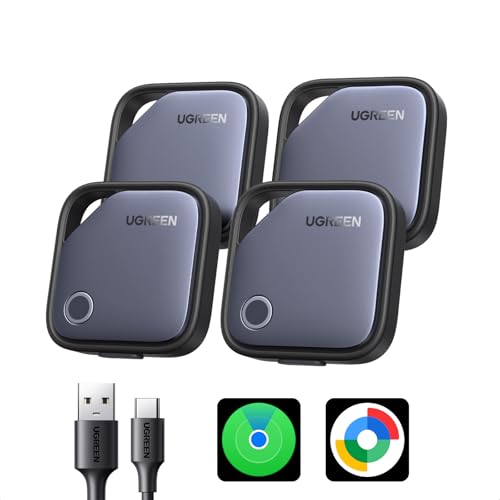 UGREEN UGREEN Finder Duo Air Tracker Tags 4 Pack (iOS and…
View on Amazon ↗
 ULTRBEKA Air Tag Tracker 4 Pack for Apple Find My, MFi…
View on Amazon ↗
Listing names and images come from Amazon and are rechecked against the live listings; last checked Nov 8, 2026. No prices shown; the current price is on the listing.
About this guide. This guide covers Bluetooth trackers as a product type, not any individual model. It is written from general knowledge of how these trackers work, without reading product documents, reviews, or tests. Check the listing for exact dimensions, battery life, and phone compatibility before you buy.