Start with fit: a helmet that slides or pinches is useless, so measure your head and check the retention dial. Then match ventilation to your riding. Road cyclists in hot weather need deep channels and many vents, while city commuters can trade airflow for a smoother shell and built in lights. The main tradeoff is cooling versus convenience features.
First, Get the Fit Right
Measure your head circumference about an inch above your eyebrows. Compare that number to the size range on the listing, because brands differ. A helmet that sits too high or wobbles side to side will not protect you in a fall.
Check for a rear retention dial or strap adjuster. This lets you snug the helmet after you put it on. Look also for a chin strap that splits under the ear and locks without pinching.
Padding inside the helmet should touch your head evenly, with no hard pressure points. Some helmets include extra pads of different thickness, which helps if your head is between sizes.
Ventilation Shapes the Ride
Vents pull air in through the front and out the back. More and larger vents usually mean a cooler head on climbs and hot days. But deep channels can make the shell noisier at speed.
Road helmets often have long internal channels and many forward facing vents. Commuter helmets may have fewer vents but a smoother outer shell that sheds light rain better.
Internal channel depth matters more than vent count. A helmet with fewer but well shaped channels can cool better than one with many small holes. Compare the photos and look for continuous paths from front to rear.
Coverage and Shell Style
Coverage means how far down the back and sides of your head the shell extends. More coverage protects more of the skull in a side or rear impact, which matters in traffic.
A rounder, fuller shell often appears on commuter and urban helmets. A more sculpted, lower profile shape is common on road helmets. Neither is safer by itself, but the shape affects how the helmet fits under a hood or with sunglasses.
Some helmets add a removable visor. That helps block sun and rain on commutes but can catch wind at high speed. Road riders often remove the visor for a cleaner fit.
Safety Standards and What They Actually Mean
In the US, a bike helmet should meet the CPSC standard. This is a minimum legal requirement for helmets sold as bike helmets. You will see it on the box or in the listing.
Some helmets add a rotational impact system, often a slip plane layer inside the shell. This is designed to reduce twisting forces in certain angled falls. It adds weight and bulk, so decide if that tradeoff fits your riding.
A helmet with more coverage or a rotational system is not automatically safer for every crash. The fit and how you wear it, level on your head with the strap snug, matter more than extra labels.
Commuter Extras That Change Daily Use
For city riding, built in rear lights or reflective trim can help at night. Some helmets have a magnetic light mount or an integrated LED panel. These add weight and need charging, but they keep you visible without a separate light.
A visor or rain cover can make wet commutes more comfortable. A lock port or a slim shape that fits in a pannier bag is useful if you park your bike outside.
For long rides, look for a helmet that works with your sunglasses and has enough padding to stay comfortable for hours. A removable liner that you can wash helps after sweaty summer rides.
Mistakes That Leave You With the Wrong Helmet
Buying by price alone often leads to a helmet with a limited size range or cheap straps that loosen over time. A mid range helmet with a good retention system usually fits better than a premium one in the wrong shape.
Ignoring head shape is a common error. Some helmets fit round heads well, others suit more oval heads. If a helmet feels tight at the temples or gaps at the back, try a different model shape.
Wearing the helmet tilted back exposes the forehead and reduces protection. The front edge should sit about two finger widths above your eyebrows, and the side straps should form a V under your ears.
Reusing a helmet after a hard crash is risky. The foam compresses even if the shell looks fine. Replace it after any significant impact.
Comparing the Main Design Types
| Helmet style | Ventilation | Shell coverage | Typical extras | Best for |
|---|---|---|---|---|
| Road race style | High, deep channels | Low profile, less rear coverage | Minimal, light weight | Fast rides in warm weather |
| All around sport | Moderate to high | Medium coverage | Visor, some reflectives | Mixed road and path riding |
| Commuter style | Low to moderate | Rounder, more coverage | Lights, visor, lock port | City commutes and errands |
| Full shell urban | Low, few vents | Full round shell | Integrated lights, rain cover | Short trips in traffic or bad weather |
Road race style prioritizes airflow and low weight, so it suits riders who pedal hard and want to stay cool. Commuter style trades some airflow for visibility features and a shape that works with street clothes.
Full shell urban helmets lean heavily into coverage and accessories. They can feel warm on a long climb, but they make sense for short trips where weather and visibility matter more than speed.
Long Term Costs and Care
Helmets do not have many consumables, but replacement pads and straps wear out. Check whether the brand sells spare pads, because sweaty padding degrades and loses cushioning.
Replace the helmet after a crash or after several years of regular use, even without an impact. Foam ages and UV exposure weakens the shell. Most manufacturers suggest replacing after three to five years.
Clean the helmet with mild soap and water. Avoid solvents on the shell and straps. Store it away from direct sunlight and heat, such as a hot car, which can deform the foam.
When to Skip a Bike Helmet
If you ride a recumbent or a pedal trike on smooth paths, a standard bike helmet still works, but you may want more rear coverage. A skate style helmet with a rounder shell can feel more stable for casual, upright riding.
For very slow, short rides on flat ground, some riders choose a multi sport helmet with a thicker shell and fewer vents. It is less airy but often cheaper and more durable for daily knocks.
If you need protection for downhill mountain biking or BMX, look for a helmet certified for those sports. A road or commuter helmet may not have enough coverage for those impacts.
Bike Helmet Questions Riders Ask Before Buying
How do I know if a bike helmet fits?
Put the helmet on level, with the front edge two finger widths above your eyebrows. The side straps should meet in a V under each ear, and the chin strap should be snug but not tight. Shake your head: the helmet should stay put without sliding. If it rocks or pinches, try a different size or shape.
What is the difference between a road and a commuter bike helmet?
Road helmets emphasize ventilation and low weight, with deep channels and a sculpted shell. Commuter helmets often have fewer vents, a rounder shell with more coverage, and extras like built in lights or a visor. Road helmets suit fast, hot rides; commuter helmets suit shorter trips in traffic and variable weather.
Should I buy a bike helmet with MIPS or another rotational system?
Rotational systems aim to reduce twisting forces in certain angled impacts. They add weight and cost. For most riders, a well fitted helmet with CPSC certification is the baseline. If you ride in traffic or at higher speeds, the extra layer may be worth the tradeoff, but fit still matters most.
How long does a bike helmet last?
Most manufacturers suggest replacing a helmet every three to five years, even without a crash. Foam degrades with age, UV exposure, and sweat. Replace it immediately after any significant impact, because the foam compresses and cannot absorb a second hit the same way.
Can I use a skateboard helmet for biking?
Only if the helmet meets the CPSC bike helmet standard. Many skate helmets do not. A bike helmet has more ventilation and a different impact design. For slow, casual riding, a dual certified skate and bike helmet can work, but check the label before you rely on it.
Which Bike Helmet Should You Pick First?
A city commuter who rides year round, often in low light, should start with a commuter style helmet with moderate vents, a rear light, and a rounder shell for coverage. That setup handles traffic, weather, and short errands without feeling heavy. But a road cyclist doing long summer climbs should choose a road race style helmet with deep ventilation and minimal extras, even if it means adding a separate light for night rides.
Real bike helmet listings, so you can check the points in this guide against actual products. These are affiliate links: as an Amazon Associate we earn from qualifying purchases, at no extra cost to you.
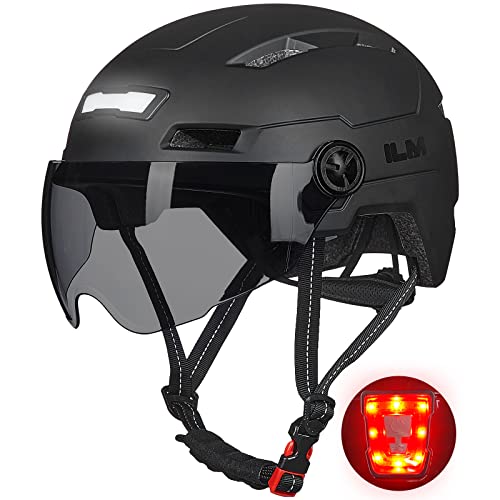 ILM ILM Adult Bike Helmet with LED Front Back Light Bicycle…
View on Amazon ↗
 SILKYCASTERS Bike Helmet, Helmets for Adults Men, Front and Back LED…
View on Amazon ↗
 DKONI DKONI Bike Helmet with LED Lights Bicycle Helmets Commuter Cycling…
View on Amazon ↗
Listing names and images come from Amazon and are rechecked against the live listings; last checked Nov 8, 2026. No prices shown; the current price is on the listing.
Scope and limits. This guide explains bike helmet types and what to check before buying, drawn from general knowledge of the category. It does not describe individual models, and you should verify any size or fit detail on the product listing before ordering.