Start with what goes inside: a jersey needs depth and a hanger, while flat paper items need a shallow box with pin friendly backing. Then check glass clarity and UV protection, because cheap acrylic yellows and fades autographs. The main tradeoff is depth against dust: deeper boxes fit bulky items but collect more debris and cost more.
Measure the Item Before You Measure the Wall
Most shadow box mistakes happen before the box arrives. A signed jersey folded to fit a shallow frame puckers at the shoulders and creases the autograph. Measure the item at its thickest point, then add at least half an inch of interior depth for the backing and glass.
For flat items like tickets, programs, or currency, a depth over one inch adds unnecessary weight and makes the glass sit far from the item, creating a hollow look. For a folded jersey, two to three inches of interior depth is common. For a ball, helmet, or pair of cleats, look for four inches or more.
Check the listing for interior depth, not exterior depth. Some frames count the frame molding in their measurement, which steals half an inch or more from the usable space.
Glass Clarity and UV Coatings Separate a Keepsake From a Faded Copy
Cheap shadow boxes use thin acrylic that scratches during shipping and yellows within a few years. Standard glass is clearer but heavy and reflective. The most protective option is a UV filtering glazing, either coated glass or acrylic, which blocks most of the light that fades ink and fabric.
If the item will hang in a room with direct sunlight, UV protection matters more than glass type. A north facing wall in a hallway can get by with standard glass. A bedroom with east facing windows needs the UV coating.
Anti glare coatings reduce reflections but add cost. For a signed jersey behind glass, reflections are less of a problem than for a glossy photo, because fabric absorbs light instead of bouncing it back.
Backing and Mounts Decide Whether the Item Stays Put or Slides
The backing material does two jobs: it holds pins or mounts, and it keeps the item from touching the glass. A foam core backing accepts straight pins easily, which is ideal for paper items. A fabric wrapped backing, often linen or felt, looks better behind a jersey but needs stronger mounting.
For a jersey, a built in hanger or rod keeps the shoulders square and the number visible. Some boxes include a wooden hanger that slides onto a bar. Others use clips that pinch the fabric, which can leave marks on delicate material.
For balls, helmets, or odd shaped items, look for an adjustable mount or a deep foam insert. A ball that rolls against the glass looks sloppy and can scratch the inside over time.
Which Design Types Fit Which Displays
The main design types differ in how you load the item and how well they seal. A front loading box with a hinged door lets you swap items without taking the frame off the wall, but the extra seams let in more dust. A rear loading box, where the backing panel lifts out, seals better but is harder to access once hung.
A wall mounted box with a sawtooth hanger works for lightweight displays, but a heavy jersey or ball needs two D rings and a wire. A tabletop box with a fold out easel suits a small display but tips easily if the item is top heavy.
A deep box with a removable shelf can hold a mini helmet and a ticket stub in the same frame. A shallow box with a mat board creates a clean border around a single photo or program.
| Depth | Loading style | Seal quality | Suits |
|---|---|---|---|
| Under 1 inch | Rear loading | Tight | Tickets, photos, currency |
| 2 to 3 inches | Rear or front loading | Moderate | Folded jerseys, programs |
| 4 inches plus | Front loading | Loosest | Balls, helmets, cleats |
| Hinged front door | Front loading | Moderate | Rotating displays |
Hanging a Shadow Box in a Bedroom or Fan Cave Changes the Glass Choice
A bedroom display above a dresser gets indirect light most of the day, so standard glass is usually fine. A fan cave with overhead spotlights or a window wall puts the item under stronger light, which makes UV protection worth the extra cost.
Sports bars and other commercial spaces often need a locking front or tamper resistant hardware. A hinged door that opens without a tool invites handling, and a signed jersey behind a bar will get touched.
For a gift, consider the recipient's wall space and existing decor. A deep memorabilia box overwhelms a small bedroom wall, while a shallow ticket stub box gets lost in a large fan cave. Check the frame's hanging hardware before buying: a wire across the back gives more leveling flexibility than two fixed sawtooth hangers.
Long Term Care Starts With the Seal and the Backing
Dust enters through the seams between the frame and the backing. A box with a foam gasket or a tight fitting backing panel keeps out more debris than one with a loose cardboard insert. If the backing flexes when you press it, dust will find its way in.
Fabric items need acid free materials touching them. A cardboard backing or a wood hanger with a finish can leach acids into the fabric over years, leaving a yellow shadow. Look for acid free foam core or a fabric wrapped backing with a neutral pH.
Acrylic glazing scratches more easily than glass, so clean it with a soft, damp cloth and no paper towels. For glass, a standard glass cleaner works, but spray it on the cloth, not the frame, to keep liquid from running into the seams.
When a Shadow Box Is the Wrong Tool
For a jersey you wear on game days, a shadow box is a bad fit. Taking a jersey in and out of a rear loading box risks snagging the fabric on the backing pins or the frame edges. A garment bag or a dedicated jersey hanger works better for rotation.
For a large collection of tickets, programs, and photos, a binder with archival sleeves costs less and takes up less wall space than a dozen small shadow boxes. Reserve the box for the one or two items that tell the story.
For an item you need to access often, like a signed ball you pass around during games, a display case with a removable dome or a simple stand beats a sealed shadow box. The box is for preservation, not frequent handling.
Reading the Listing Before You Buy
A listing photo can hide the most important details. Check the written specifications for interior depth, glazing material, and backing type. If the listing only says 'glass' without saying UV coated or standard, assume standard.
Ask the seller three questions when the listing is vague: What is the interior depth in inches? Is the glazing UV coated or standard? What is the backing made of, and is it acid free?
Watch for marketing phrases that sound technical but mean little. 'Museum quality' has no standard definition. 'Crystal clear' often means basic acrylic. 'Scratch resistant' is not scratch proof. The useful terms are specific: UV filtering, acid free, foam core, tempered glass.
Shadow Box Questions That Come Up After the Box Arrives
How deep should a shadow box be for a folded jersey?
Look for an interior depth of two to three inches. A folded jersey at the shoulders and sleeves takes up about one to two inches, and the backing, hanger, and glass need another half inch or more. If the jersey has thick embroidery or a nameplate, measure that point and add an inch.
Is UV protection worth it for a shadow box?
If the item hangs in direct or strong indirect sunlight, yes. UV coated glass or acrylic blocks most fading rays and can keep an autograph legible for decades. In a dark hallway or a room with blinds always drawn, standard glass is usually enough and costs less.
What is the difference between acrylic and glass in a shadow box?
Acrylic is lighter and less likely to shatter, but it scratches more easily and can yellow over time. Glass is heavier and clearer but breaks if dropped. UV coatings are available on both. For a large, heavy frame, acrylic reduces wall strain; for a small, rarely moved display, glass looks sharper.
Can I hang a shadow box in a bathroom or a damp room?
Avoid it. Humidity warps the backing, fogs the glass, and can cause mold on fabric items. A sealed frame helps, but no shadow box is truly airtight. If you must display in a damp space, use a dehumidifier and check the backing for warping every few months.
Which backing is best for pinning a ticket stub?
A foam core backing accepts straight pins without bending them and holds the item flat against the glass. A fabric wrapped backing looks nicer but needs longer pins and can leave visible holes. For paper items, foam core with an acid free surface is the safer choice.
Which Shadow Box Fits Your Item
A fan with one signed jersey to hang in a bedroom should get a two to three inch deep rear loading box with UV coated glass, an acid free fabric backing, and a built in hanger. That keeps the jersey flat, the autograph protected, and the dust out. For a fan cave with a ball, a helmet, and a stack of tickets, skip the single box and get a deep front loading case with adjustable mounts and a hinged door, because you will swap items more often than you expect.
Real shadow box listings, so you can check the points in this guide against actual products. These are affiliate links: as an Amazon Associate we earn from qualifying purchases, at no extra cost to you.
 GUTAG Jersey Wooden Frame Display Case -Shadow Box with 98% UV…
View on Amazon ↗
 DEFAULT Jersey Frame Display Case, Large Lockable Shadow Box Sports Jersey…
View on Amazon ↗
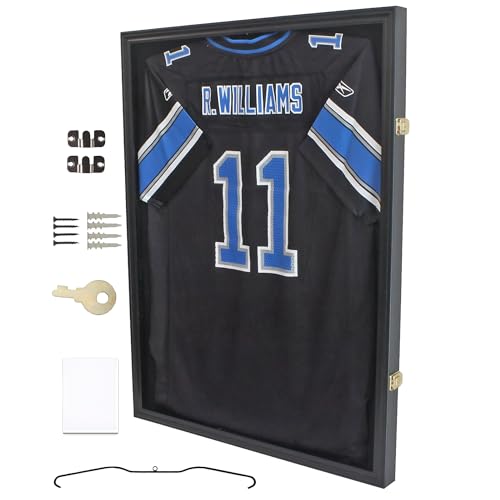 DISPLAYGIFTS Pro Collector's Jersey Display Case Frame Shadow Box with 98%…
View on Amazon ↗
Listing names and images come from Amazon and are rechecked against the live listings; last checked Nov 8, 2026. No prices shown; the current price is on the listing.
About this guide. This guide explains how depth, glazing, backing, and mounting decide whether a shadow box actually protects what you put inside. It covers the product type as a whole, not any individual model, so check the listing for the exact interior depth and glazing before you buy.