The listener decides the science book. A commuter needs clear narration and short, self contained chapters. A curious teen or hobbyist benefits from deeper explanations and a more conversational tone. The main tradeoff sits between accessibility and conceptual richness. Check the sample for pacing and sentence complexity before you spend a credit.
Match the Book to Where You Listen
A science book that works in a quiet study often fails on a highway. Road noise, stoplights, and split attention change what you can absorb. Choose short chapters and a narrator who sounds like a guide, not a lecturer, for a commute or workout.
If you listen while cooking or walking a dog, look for a book that repeats key ideas without sounding redundant. A chapter that builds one concept slowly is easier to follow than one that leaps between four examples in ten minutes.
For a long flight or a rainy afternoon, a deeper book pays off. You can rewind a dense passage or pause to picture a diagram. The same book on a noisy bus becomes frustration.
Narration Is Half the Science
The reader's voice sets the pace. A narrator who rushes through a formula leaves you lost; one who lingers too long on a metaphor makes you check the clock. Listen to the audio sample at normal speed and ask whether you would want this person to explain a hard idea to you.
Some science books use a single narrator, others add interviews or field recordings. A change of voice can signal a new section, which helps when you pause often. A monotone reader makes every chapter feel the same length, even when the content shifts.
Check whether the narrator pronounces technical terms correctly. A mispronounced enzyme or mineral name breaks trust and makes you doubt the rest of the book.
Concept Depth Changes the Commitment
Pop science books explain one big idea through stories. They assume you know little and want to be entertained. A book on black holes, for example, may use a train and a flashlight instead of equations. That is fine for a first pass.
A deeper title assumes you remember some chemistry or physics from school. It may define terms once and then use them freely. If you last studied science a decade ago, that book will demand more rewind time than the listing suggests.
Compare the table of contents. A pop science book often has playful chapter titles. A serious work lists concepts in order, each building on the last. That structure tells you how much attention the book expects.
| Listening style | Narration feel | Concept load | Best when |
|---|---|---|---|
| Narrative pop science | Storyteller, warm | Light, one big idea | You want wonder without homework |
| Themed essay collection | Conversational | Medium, self contained | You listen in 20 minute chunks |
| Single topic deep dive | Measured, precise | Heavy, builds over chapters | You can focus for an hour or more |
| Lecture style course | Formal, dense | Very heavy, assumes background | You take notes and rewind often |
A book that mixes styles can still work. The key is whether the depth matches your energy at the time you actually listen, not the time you wish you had.
Chapter Structure Decides If You Finish
Long chapters with many subheadings are hard to resume after a day away. You forget the thread and spend the first two minutes reorienting. Short, numbered chapters let you stop anywhere and start clean next time.
Some books use a question as a chapter title, then answer it by the end. That gives a satisfying loop for a short drive. Others stretch one argument across three hours of audio, which rewards a binge but punishes a dabbler.
Look at the running time per chapter if the listing shows it. A book with ninety minute chapters is a different product from one with fifteen minute chapters, even if the total length is identical.
The Textbook Trap and Other Buying Mistakes
A common mistake is buying the science book you think you should read, not the one you will finish. A dense, celebrated title sits unplayed while a lighter one gets finished in a week. Pick the book that fits your real listening week, not your ideal self.
Another error is judging a book by its topic alone. Two books on the immune system can be wildly different: one a gripping story of a pandemic, the other a slow tour of cell biology. Check the sample for tone, not just subject.
Some buyers ignore the audio length. A thirty hour science book is a semester, not a weekend. If you listen an hour a day, that is a month of one voice. Shorter books often teach one idea better than long ones teach ten.
When a Science Book Is the Wrong Pick
Skip a science audiobook if you need the diagrams. A book on geometry, anatomy, or complex data visualizations loses half its meaning without images. A print or ebook version, or a video course, serves those topics better.
If you listen in five minute bursts, a science book may frustrate you. Ideas need time to land. A podcast episode or a short story collection fits that rhythm better.
Also consider an alternative if you want to argue with the author. A science book presents a settled view or one researcher's case. If you want debate, a guided meditation audiobook won't help either, but a lecture series or a book with a companion discussion group might.
Check the Listing Before You Spend a Credit
Listen to the full sample, not just the first ten seconds. The first minute often has music and a warm welcome; the third minute shows how the narrator handles a real sentence. If the sample cuts off before any science content, ask the seller for a longer clip.
Read the table of contents. Count how many chapters are stories versus explanations. A book with twelve chapters titled after scientists tells history; one with chapters titled after concepts teaches theory. Neither is better, but only one matches your goal.
Look for a PDF supplement. Many science audiobooks include a downloadable file with diagrams, graphs, or a glossary. If a visual heavy book lacks that supplement, you will miss key material. Check the product page for a note about accompanying material.
Ask the seller about the recording date if the science moves fast. A book on genetics or AI from a decade ago may describe a field that has changed. The listing rarely says this, so a quick question saves a wasted credit.
Also check whether the book is abridged. An abridged science book cuts the reasoning and keeps the conclusions, which leaves you with facts but no understanding. The listing should state abridged or unabridged; if it does not, ask.
Long Term Value and Relistening
A science book you finish once may still earn its place if you return to one chapter. Some books work as references: a chapter on sleep, a chapter on memory, a chapter on climate. Those are worth keeping even if you never replay the whole thing.
Consider whether the book offers a way to test yourself. Some include review questions or a summary at the end of each chapter. That helps if you listen to learn, not just to pass time.
There are no consumables or ongoing costs with an audiobook, but your time is the real expense. A book that takes three attempts to finish costs more than a longer one you finish in a week.
Science Audiobook Questions Worth Asking
How do I know if a science audiobook is too advanced for me?
Listen to a sample from the middle of the book, not the introduction. If the narrator uses terms you do not recognize three times in one minute and never pauses to explain them, the book assumes background you may not have. A book aimed at beginners repeats key ideas and defines jargon on first use. If the sample is unavailable, check the publisher's description for words like introductory, accessible, or for the curious.
What makes a good science book narrator?
A good narrator varies pace and emphasis without sounding theatrical. They pause after a hard sentence, giving you a beat to absorb it. They pronounce technical terms correctly and consistently. The best test is to listen to a passage with numbers or unfamiliar words and ask whether you could repeat the main point afterward. A narrator who sounds interested but not rushed usually works for most science material.
Can I learn real science from an audiobook without the diagrams?
Yes, for topics built on stories and arguments rather than visual data. Physics, biology, neuroscience, and history of science often translate well to audio when the author describes an image in words. Topics like anatomy, chemistry structures, or statistical graphs lose precision without visuals. Check whether the audiobook includes a downloadable PDF with figures; many do. If not, keep a phone nearby to look up a key diagram when the narrator references it.
Which science books work for a short commute?
Look for books with chapters under twenty minutes and a clear question or story in each one. Themed essay collections and narrative pop science fit well. Avoid single topic deep dives that build one argument across many chapters, because you will spend the first part of each drive reorienting. A book with numbered chapters and a summary at the end of each also helps you stop and restart without losing the thread.
Is an abridged science audiobook ever a good choice?
Rarely. Abridgment cuts the reasoning and examples that make science understandable. You get conclusions without the path to them, which leaves you with facts you cannot use. An abridged version may work if you only want a quick overview before reading the full book in print, but for learning from audio alone, choose unabridged. The listing should state which it is; if it does not, ask the seller before buying.
Which Science Book Fits Your Listening Life
A commuter who listens in twenty minute chunks should pick a narrative pop science book with a warm narrator and short chapters. That structure survives traffic and resets cleanly after every stop. For a curious teenager or a hobbyist who wants to go deeper, choose a themed essay collection with a conversational reader. It offers more substance per chapter while still fitting an evening of listening. Skip the dense deep dive unless you can sit still for an hour and take notes.
Real science book listings, so you can check the points in this guide against actual products. These are affiliate links: as an Amazon Associate we earn from qualifying purchases, at no extra cost to you.
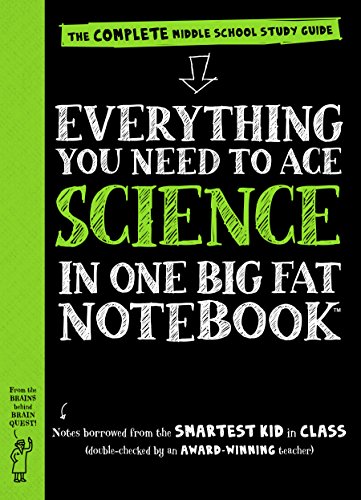 WORKMAN PUBLISHING Everything You Need to Ace Science in One Big Fat…
View on Amazon ↗
 NATIONAL GEOGRAPHIC Science Book, The: Everything You Need to Know About the…
View on Amazon ↗
 PUBLICATIONS INTERNATIONAL, LTD. The Book of Strange but True Science: Big Book of…
View on Amazon ↗
Listing names and images come from Amazon and are rechecked against the live listings; last checked Nov 8, 2026. No prices shown; the current price is on the listing.
How to read this guide. This guide covers the science audiobook category as a whole, not any individual title. It is written from general knowledge of how audio learning works, without reading reviews or handling specific units, so verify any running time or chapter length on the listing before you buy.