Depth and material decide most of the outcome. Go at least 12 inches deep for vegetables, deeper for root crops. Metal heats and cools fast, wood holds moisture steadier, and plastic or fabric suits balconies. The main tradeoff is weight and cost versus soil volume and root room.
Skip the Bed, Not the Garden
A raised bed pays off when you need better drainage, less bending, or control over soil. It is not the answer for every space. If the ground soil is healthy and drains well, planting directly in the ground often costs less and needs less watering than a contained bed.
Renters who move often should think twice. A large wood or metal bed full of soil is a project to empty and relocate. A fabric bed or a set of containers is easier to move. If you only want a few herbs, a window box or a couple of large pots does the same job with less material.
Heavy shade changes the math. A raised bed cannot fix a spot that gets under four hours of direct sun for fruiting plants. Check light before buying a bed.
Depth Is the First Cut
Soil depth sets the ceiling for what you can grow. Lettuce, herbs, and most annual flowers do fine in 6 to 8 inches. Bush beans, peppers, and compact tomatoes want 12 inches or more. Carrots, parsnips, full size tomatoes, and squash do better in 18 to 24 inches.
A bed listed as 12 inches tall does not mean 12 inches of usable soil. Fill settles, and you usually stop an inch or two below the rim. If the bed sits on a hard surface like a balcony or patio, the entire root zone is that container depth. If it sits on open ground, roots can sometimes push below the bed, but only if the native soil is loose enough.
For a beginner, a 12 inch bed on open ground covers most vegetables without the cost of filling a deeper box. For a balcony, check the weight limit before choosing depth.
Material Changes Heat and Water
The bed material is not just looks. It changes how fast the soil heats, how quickly it dries, and how long the bed lasts.
Metal beds, usually galvanized steel, absorb sun and warm the soil early in spring. That helps in cool climates, but in a hot, dry yard the same bed can cook roots near the walls. Light colored metal reflects more heat than dark. Wood insulates better, so soil temperature swings less over a day. Cedar and redwood resist rot longer than pine, but all wood eventually breaks down at the soil line.
Fabric beds breathe. That prevents overwatering and keeps roots cooler in summer, but it also means soil dries faster and the sides flop without support. Plastic beds hold moisture like a big pot, but dark plastic in full sun can get hot enough to stress roots near the edge.
| Material | Heat behavior | Moisture | Typical life | Best for |
|---|---|---|---|---|
| Fabric | Stays cool, breathes | Dries fastest | Short | Balconies, renters, herbs |
| Plastic | Can overheat in sun | Holds moisture | Medium | Small spaces, light duty |
| Wood | Insulates, steady | Holds moisture well | Medium to long | Vegetables, in ground use |
| Metal | Heats fast, cools fast | Holds moisture | Long | Sunny vegetable gardens |
Drainage Is a Path, Not a Hole
A raised bed is a container with a bottom or a frame with open ground. Each needs a different drainage plan.
A bed on legs or a balcony planter must have drainage holes and a tray or saucer. Without holes, one heavy rain turns it into a swamp. With holes but no tray, water and soil wash onto the floor below. Check the listing for a built in drainage system or plan to add one.
An open bottom bed on soil drains naturally, but only if the soil below is not compacted clay. In that case, water can pool inside the frame after rain. Loosening the ground underneath before filling helps. A layer of coarse gravel at the bottom does not fix a sealed container and can create a perched water table, so it is not a substitute for a hole.
In a dry climate, the opposite problem shows up. An unlined wood bed on open ground loses water downward faster than a lined or sealed bed. A liner slows that loss but must still allow some drainage.
The Balcony Weight Check
A balcony garden fails or succeeds on weight, not just footprint. A cubic foot of moist garden soil weighs roughly 40 to 60 pounds. A 4 foot by 2 foot bed filled 12 inches deep holds about 8 cubic feet, or over 300 pounds of wet soil before you add the frame and plants.
Before buying, check the balcony load rating or ask the building manager. Fabric and thin plastic beds weigh less empty, but the soil is the same weight once filled. A long, narrow bed against a railing concentrates that load on a small area.
If weight is tight, choose a shallower bed for greens and herbs, or split the garden into two smaller beds. A 6 inch deep herb bed weighs half as much as a 12 inch vegetable bed of the same footprint.
Listing Checks Before You Buy
Raised bed listings hide key facts in the details. Check these before ordering.
Look for the interior dimensions, not the exterior. A bed advertised as 4 feet wide may have 44 inches of planting space after wall thickness. For a balcony, measure the actual floor space and compare it to the outside footprint, including any legs or corner brackets.
Confirm the material thickness. Thin metal beds under about 0.5 millimeter dent easily and bow when full. Thin plastic can crack at corners after a season of sun. Wood thickness under about 0.75 inch warps more. The listing often lists gauge or millimeter for metal and board thickness for wood.
Ask the seller two questions if the listing is unclear. First, how many drainage holes does the bottom have and what size. Second, what is the interior soil depth from the top of the soil line to the bottom panel or ground. If the seller cannot answer the depth question, the bed is probably not designed for serious vegetable growing.
The Liner That Ruins a Good Bed
A liner is useful or harmful depending on the bed style. The mistake is treating all liners as the same.
In an open bottom wood bed, a landscape fabric or weed barrier liner at the base keeps grass and weeds from growing up into the bed while letting water drain down. That works. A solid plastic liner on the bottom of the same bed traps water and turns the bed into a bathtub after rain.
For a metal bed, a liner between the soil and the metal walls slows corrosion and reduces heat transfer to the roots. Use a breathable fabric, not solid plastic. For a plastic bed, a liner is usually unnecessary and can block the drainage holes.
If the bed sits on a wood deck, a solid liner or tray is needed to protect the deck, but then the bed must have a drainage outlet above the tray, not just holes in the bottom.
Long Term Cost Is the Soil
The bed frame is often the cheap part. Filling it costs more than most buyers expect.
A 4 foot by 8 foot bed at 12 inches deep needs about 32 cubic feet of soil mix. Bagged raised bed mix often comes in 1.5 cubic foot bags, so that is over 20 bags. Buying bulk by the cubic yard is cheaper if you have a way to move it.
Soil is also a consumable. It settles and decomposes, so you top up an inch or two every year. In a dry climate, you may also want a drip irrigation line, which is a separate cost and install step. Wood beds need resealing or board replacement eventually. Metal beds need corner checks for rust. Budget for the fill and the annual top up, not just the frame.
Raised Garden Bed Questions That Decide the Purchase
How deep should a raised garden bed be for tomatoes?
Aim for at least 12 to 18 inches of soil. Tomatoes grow deep root systems, and a shallow bed limits fruit size and makes the plants wilt faster between waterings. If the bed sits on a hard surface, go 18 inches or more because the roots cannot reach below the bed.
Is a metal raised garden bed too hot for plants?
In a hot, sunny climate, metal walls can heat the soil near the edges enough to stress shallow rooted plants. Light colored metal or a breathable fabric liner between soil and metal reduces this. In cool climates, the same heat gain is an advantage that warms soil earlier in spring.
Which raised garden bed material lasts the longest?
Galvanized metal typically outlasts wood and plastic, often surviving many seasons without structural failure. Cedar and redwood outlast pine but still rot at the soil line eventually. Fabric beds degrade fastest under constant sun. Longevity also depends on drainage and whether the bed sits directly on wet ground.
Can I put a raised garden bed on a balcony?
Yes, if the balcony can hold the weight. Wet soil weighs roughly 40 to 60 pounds per cubic foot, so a 4 foot by 2 foot bed at 12 inches deep can exceed 300 pounds when watered. Check the load rating, choose a shallower bed for herbs, or split the garden into smaller beds.
Do raised garden beds need a bottom liner?
It depends on the bed. An open bottom bed on grass benefits from a breathable weed barrier that lets water through. A solid plastic liner without drainage holes turns the bed into a waterlogged container. A bed on a deck needs a waterproof tray, but the bed itself must drain above that tray.
Which Raised Bed Fits Your Space and Plants
A gardener in a small backyard who wants tomatoes, peppers, and greens should start with a 12 inch deep open bottom bed, wood for steady moisture or metal for a sunny spot. A balcony grower with a strict weight limit needs a different pick: a shallow fabric or plastic bed under 8 inches deep for herbs and lettuce, with a drainage tray.
Real raised garden bed listings, so you can check the points in this guide against actual products. These are affiliate links: as an Amazon Associate we earn from qualifying purchases, at no extra cost to you.
 NBYSGO NBYSGO Raised Garden Bed with Wheels 43" Outdoor Planter Box…
View on Amazon ↗
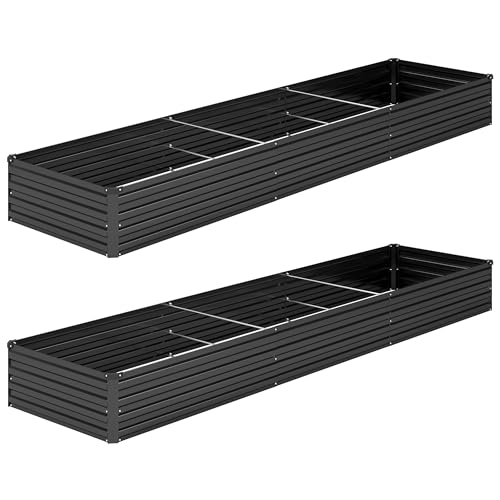 DIIYIV DIIYIV 2PCS 12x2x1FT Galvanized Raised Garden Bed Kit,Vegetable Boxes-Rectangle Metal…
View on Amazon ↗
 BEST CHOICE PRODUCTS Best Choice Products Raised Garden Bed 48x24x32-inch Mobile Elevated Wood…
View on Amazon ↗
Listing names and images come from Amazon and are rechecked against the live listings; last checked Nov 8, 2026. No prices shown; the current price is on the listing.
How to read this guide. This guide covers raised garden beds as a category and is written from general knowledge of how depth, material, and drainage affect plants. No individual product documents or reviews were used, and dimensions like wall thickness or interior depth should be verified on the listing before buying.