Start with the protein source: whey for fast post workout absorption, casein for slow release, or plant blends for dairy free eating. Next, check the sweetener and fiber because they decide how your stomach feels an hour later. The main tradeoff is texture and taste against ingredient cleanliness. A bar that tastes like candy usually earns that flavor from sugar alcohols or added fats, so pick the one you can eat daily without regret.
Protein Source Sets the Pace
Whey concentrate and isolate digest quickly, so they suit a window right after lifting or a run. Isolate has less lactose and fat, which helps if dairy bothers you. Concentrate keeps more of the milk solids, so it tastes a little richer but can feel heavier.
Casein digests over several hours. That makes it a better fit before bed or as a meal replacement when you need to stay full. It also creates a thick, creamy texture that many people prefer, though that texture often comes with more sweetener and fat to mask the natural chalkiness.
Plant blends use pea, rice, soy, or hemp protein. Pea and rice together create a complete amino acid profile, but the texture can be gritty or dry. Soy protein is smooth and complete on its own, while hemp adds fiber and a nutty taste. Check the label to see which plant protein leads the list because that ingredient dominates the mouthfeel.
Egg white protein sits between whey and casein for digestion speed and bakes into a light, fluffy texture. It is dairy free, but it is not vegan and can taste sulfurous if the bar is not flavored carefully.
Sweetener Decides How You Feel Later
A bar with 20 grams of sugar gives quick energy and a familiar taste, but it spikes blood sugar and can leave you hungry again soon. Sugar alcohols like maltitol, erythritol, and sorbitol cut calories but ferment in the gut. For some people that means gas, bloating, or a laxative effect, especially with maltitol.
Stevia and monk fruit are plant based sweeteners that do not spike blood sugar or ferment the same way. Their downside is a bitter or metallic aftertaste that some bars hide with extra flavoring or fat. Compare the sweetener line on the label before you commit to a box.
A bar can use two or three sweeteners at once. Manufacturers often pair a little sugar with stevia to round out the aftertaste, or add fiber to slow the sugar absorption. Read the full ingredient list instead of stopping at the front of the wrapper.
Fiber Is the Quiet Regulator
Fiber turns a 200 calorie bar into something that actually holds you until the next meal. Chicory root fiber, also labeled inulin, is common, but it is a FODMAP that can trigger bloating. Oat fiber and soluble corn fiber are gentler for many people.
A bar with 3 grams of fiber behaves like a candy bar in your stomach, while one with 10 grams sits heavier. If your regular meals are low in fiber, jump in slowly. A sudden daily dose of inulin can cause more discomfort than the protein bar is worth.
Check whether the fiber is natural from nuts and oats or added as a processed ingredient. Natural fiber brings other nutrients with it, but it also brings more calories and sometimes a dry texture. Added fiber keeps the calorie count down but changes how the bar bakes and chews.
Texture Predicts Whether You Finish the Box
A bar can be chewy, crunchy, soft, cakey, or layered. Chewy bars hold together well in a gym bag but can stick to your teeth. Crunchy bars feel more like a snack and less like a supplement, yet they crumble into your car seat.
Layered bars put a coating or a nut butter on top of a soft base. The coating adds fat and sweetness, which is why they taste like dessert. If you want a bar you look forward to eating, a layered bar earns its place. If you want fuel and nothing else, a plain whey bar does the job with fewer ingredients.
Temperature changes the texture too. A bar with chocolate coating melts in a hot car, and a plant bar with dates turns hard in the cold. Think about where you store and eat the bar, not just which flavor sounds good on the shelf.
Reading the Listing Before You Buy
Look for the protein source and the gram count per bar, not per serving if the package contains two bars. A wrapper that says 20 grams of protein but serves two means you get 10 grams each time you eat one.
Check the sweetener line and the fiber source on the ingredient list. If the first ingredients are dates and honey, the bar is mostly sugar with a little protein mixed in. If whey isolate leads and the sweetener is stevia, you are buying a leaner product.
Ask the seller about the bar's texture and how it ships. A bar that melts or crushes in transit can arrive in pieces even if the listing photo looks perfect. Also confirm the expiration date because protein bars with nuts and oils can go rancid in a warm warehouse.
Ignore phrases like 'guilt free' or 'clean' on the front. Those words are marketing, not nutrition. The ingredient list and the nutrition facts panel tell you what you are actually eating.
Who Should Skip the Bar Aisle Altogether
A person with a sensitive stomach may be better off with a plain whey or egg white powder mixed into a smoothie. That removes the fiber, sugar alcohols, and binders that bars need to hold their shape.
Someone who wants a snack, not a meal, can get the same satisfaction from a handful of nuts and a piece of fruit. A protein bar often costs more than that combination and adds sweeteners you would not put in your own trail mix.
If you are eating a bar every single day, the cumulative dose of sugar alcohols or added fiber matters more than any single serving. Rotate brands or switch to a whole food alternative like Greek yogurt with oats to give your gut a break.
Design Types Compared
| Bar type | Protein source | Sweetener load | Best timing |
|---|---|---|---|
| Whey isolate bar | Whey isolate | Low, stevia or sugar alcohol | Right after a workout |
| Casein bar | Casein or milk blend | Medium to high | Before bed or as a meal |
| Plant blend bar | Pea, rice, hemp, or soy | Varies widely | Any time, dairy free |
| Coated whey blend bar | Whey blend plus nuts | High, often with chocolate | As a dessert or snack |
Whey isolate bars keep the ingredient list short and the protein high, but the texture can be dry. Casein bars feel like a treat and digest slowly, at the cost of more sweetener. Plant bars cover dairy free and vegan diets, yet quality varies more from brand to brand than any other type.
Mistakes That Turn a Good Bar Bad
Buying by flavor name alone is the fastest way to end up with a box you dread. Chocolate peanut butter sounds great until you realize the bar uses maltitol and you spend the afternoon in the bathroom.
Ignoring the serving size leads to eating half the protein you expected. Flip the wrapper over before you buy, not after you open it at the gym.
Assuming 'high protein' means the bar is healthy. A bar with 20 grams of protein and 25 grams of sugar is a candy bar with a supplement label. Compare the protein to the sugar and fiber in the same glance.
Stocking up on a sale before trying one bar. Buy a single or a small pack first, eat it at the time you plan to use it, and see how your stomach responds. A box of 12 is cheap only if you finish all 12.
Protein Bar Questions Answered Straight
How much protein should a good protein bar have?
For a post workout snack, 15 to 25 grams is enough for most people. A meal replacement bar should land closer to 20 to 30 grams. More than that is rarely useful unless you are a large athlete or on a specific high protein plan, and the extra often comes with a dry, chalky texture.
Can I eat a protein bar every day?
Yes, but watch the cumulative ingredients. Daily sugar alcohols or inulin can build up and cause bloating or loose stools. If you eat one every day, choose a bar with a short ingredient list and rotate in whole food snacks like yogurt, nuts, or a hard boiled egg a few days a week.
Are plant based protein bars as effective as whey bars?
A plant bar that combines pea and rice protein gives you all the essential amino acids in one bar. Soy protein is complete on its own. For muscle recovery, the total protein and amino acid profile matter more than the source, so a well made plant bar can work as well as whey.
What is the best time to eat a protein bar?
Whey isolate fits immediately after exercise. Casein works well before bed because it digests slowly overnight. A plant or nut based bar is fine any time as a snack or meal gap filler. Match the protein source to when you want the amino acids to hit your bloodstream.
Do protein bars cause bloating?
Bloating usually comes from sugar alcohols like maltitol or from chicory root fiber, not from the protein itself. Check the label for those ingredients. If you are sensitive, look for a bar sweetened with stevia or monk fruit and with fiber from oats or nuts instead of inulin.
Which Protein Bar Fits Your Routine
A person who lifts weights and wants a quick, lean snack after the gym should pick a whey isolate bar with stevia or monk fruit and under 5 grams of sugar. That bar digests fast, keeps the ingredient list short, and avoids the sugar alcohol stomach issues. For someone who eats a bar as a meal replacement or before bed, a casein bar with a little more fat and fiber holds hunger longer and feels more satisfying. Choose the casein bar when the bar is replacing a meal, not following a workout.
Real protein bar listings, so you can check the points in this guide against actual products. These are affiliate links: as an Amazon Associate we earn from qualifying purchases, at no extra cost to you.
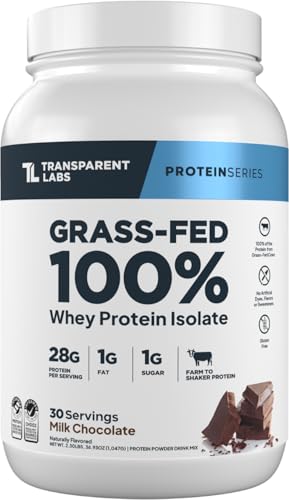 TRANSPARENT LABS Transparent Labs Grass-Fed Whey Protein - 30 Servings, Milk Chocolate…
View on Amazon ↗
 PROMIX NUTRITION Whey Isolate Protein Powder, 30g per Serving, Chocolate - 30…
View on Amazon ↗
 PURE PROTEIN Pure Protein Chocolate Salted Caramel Protein Bars, 20g Protein, 12…
View on Amazon ↗
Listing names and images come from Amazon and are rechecked against the live listings; last checked Nov 8, 2026. No prices shown; the current price is on the listing.
How to read this guide. This guide is written from general knowledge about how protein bars are formulated and how their ingredients behave in the body. It cannot tell you how a specific listing tastes or whether it will upset your stomach, so check the ingredient list and nutrition panel on the product page before you buy.