Price a movie memorabilia piece by three checks, in this order: provenance, condition, and a recent comparable sale. Provenance is the paper or photo trail that ties the item to a production. Condition changes value fast, and a comparable sale anchors your number. Buyers who want a display piece can relax on provenance; buyers who want investment value cannot.
Start With the Paper, Not the Object
Provenance is the single biggest price lever in movie memorabilia. A prop, costume, or signed item without a clear chain of ownership is priced as a decorative object, not as a collectible. Look for a certificate of authenticity from a recognized source, a production tag, a wardrobe label, a studio invoice, or a photo of the item on set. Compare what the listing shows against what it claims. A certificate alone is not enough; it has to name the item and match the seller.
Ask the seller two questions before you consider a number. First, how did this piece leave the production? Second, what documentation travels with it? A seller who answers with a story but no paper is asking you to pay for the story. For signed items, check whether the authentication is from a third party that examines signatures, not from the seller's own shop. For props, a screen match photo is stronger than a vague 'from the set' note.
Condition Moves Faster Than Most Buyers Expect
Movie memorabilia ages unevenly. A paper item fades, a fabric item frays, a plastic prop yellows, and a metal piece pits. Condition is not about whether the piece looks old; it is about whether the damage is stable and whether it matches the item's story. A crease on a vintage one sheet matters less than a tear on a modern limited print. Check the listing photos against the description. If the seller does not show a closeup of the signature, the corner, or the back, the omission is information.
Restoration is a price cut, not a price boost, in most movie memorabilia. A poster that has been linen backed or a costume that has been repaired sells below an untouched example in the same grade. The exception is when the restoration is documented and the piece is extremely rare. For most buyers, a lower grade untouched item is the safer purchase than a restored one that presents well.
The Comparable Sale Is Your Anchor
A price guide gives you a range, but a sold listing gives you a number. Search completed sales for the same type of item, the same film, and a similar condition. Ignore asking prices; sellers can ask anything. A sold price from the last year or two is the closest thing to a market value. If the item is rare, widen the search to the same actor, the same franchise, or the same prop category.
Compare like for like. A screen used prop from a minor scene is not the same as a hero prop. A signature on a poster is not the same as a signature on an index card. A costume worn by a lead actor is not the same as one from a background extra. The listing that looks cheap is often cheap because it is a lesser version of the thing you think you are buying.
| Item type | Provenance weight | Condition risk | Typical buyer |
|---|---|---|---|
| Reprint poster | Low | Low, replaceable | Gift or wall display |
| Signed photo | Medium, needs cert | Medium, fading and smudging | Fan or first collector |
| Screen used prop | High, needs match | High, wear and repairs | Serious collector |
| Costume piece | Very high, needs tag | High, fabric and stains | Investment collector |
Use this table as a first filter. If you are buying a signed photo, provenance weight is medium: a third party authentication matters more than a studio letter. If you are buying a costume piece, provenance weight is very high: a wardrobe tag or a screen match is the whole game. Condition risk rises with the age and the material, not with the price.
Which Features Are Real and Which Are Noise
Some listing language adds value; some only adds words. 'Screen used' means something only if there is a screen match or a production source. 'Production made' is weaker; it can mean a spare that never appeared on camera. 'Limited edition' matters only if the edition size and number are stated and verifiable. 'Certificate of authenticity' matters only if the issuer is named and independent of the seller.
For posters, the real features are the printing method, the size, and whether it is an original release or a reprint. For props, the real features are the materials, the moving parts, and the wear pattern. For costumes, the real features are the labels, the alterations, and the fabric. Marketing phrases like 'rare', 'vintage', or 'collector's item' carry no pricing weight on their own. Check the listing for the specific, checkable facts.
Gifting and First Collections Change the Math
A gift buyer is solving a different problem than an investment buyer. For a gift, the piece has to read as meaningful to the recipient: a favorite film, a favorite actor, a recognizable scene. Provenance matters less; presentation matters more. A framed reprint poster or a certified signed photo often makes a better gift than a screen used prop that needs explanation. The price should reflect the joy, not the resale.
A new collector should start narrow. Pick one film, one actor, or one prop category, and learn its price patterns before buying broadly. The mistake is buying ten inexpensive items across ten franchises and ending up with a scattered collection that is hard to sell and hard to display. A focused first purchase teaches you more than a dozen random ones. Estate sales and conventions are good places to see items in person, but the same three checks apply.
Estate Sales and Conventions: Same Rules, Different Pressure
An estate sale can hide a bargain or a trap. The seller often does not specialize in movie memorabilia, so the provenance may be missing and the price may be set by a general estate appraiser. Check the item for studio markings, labels, or storage notes. Ask whether the estate has any paperwork from the original collector. A low price with no provenance is not a bargain; it is a decorative item priced honestly.
A convention table puts the pressure on you. The seller is knowledgeable, the items are curated, and the clock is running. Do not buy the first example you see. Walk the floor, compare two or three similar pieces, and check sold prices on your phone. A convention premium is real: you are paying for the chance to inspect the item in person and ask questions. That premium is fair only if you use the inspection.
Long Term Costs Most Buyers Forget
The purchase price is not the last price. A poster needs archival framing or a flat file. A costume needs acid free storage and climate control. A prop with electronics needs periodic battery checks. Insurance is a real line item for a collection over a few thousand dollars. Shipping a fragile or oversized piece costs more than the listing suggests.
Storage mistakes are the silent value killer. Sunlight fades paper and fabric. Humidity warps wood and rusts metal. Plastic sleeves that are not archival can damage photos and signatures over years. If you are buying a piece to hold long term, budget for the storage before you budget for the next purchase. A piece stored badly can lose more value in a year than the purchase price saved by a cheap frame.
Who Should Skip Movie Memorabilia
If you want a guaranteed return, this is the wrong product type. Movie memorabilia is illiquid, subjective, and slow to sell. A piece can take months to find a buyer, and the spread between what you paid and what a dealer will pay is wide. If you need to resell quickly, expect to lose money. If you are buying only because a price guide says the value will rise, you are gambling on taste.
An alternative is a high quality reproduction or a licensed collectible. A framed reprint poster, a studio licensed prop replica, or a limited edition art print gives you the visual payoff without the provenance risk. These pieces cost less, store easily, and do not require authentication. They are not investments, but for a wall or a gift, they solve the same emotional problem.
Price Checks for Movie Memorabilia Buyers
What makes movie memorabilia valuable?
Three things, in order: a verifiable connection to a production, condition that matches the item's age and story, and a recent sold price for a similar piece. A screen used hero prop with a photo match and a wardrobe tag is worth far more than a production made spare with no documentation. Rarity matters, but rarity without provenance is just an old object.
Should I buy movie memorabilia without a certificate of authenticity?
Only if you are buying it as a decorative piece and the price reflects that. Without a certificate or a production source, a signed item or a prop cannot be priced as a verified collectible. You can still buy it, but you should pay the decorative price, not the collectible price. If the seller claims it is genuine without paper, walk away.
Is movie memorabilia a good investment?
For most buyers, no. It is illiquid, subjective, and expensive to store and insure. A small number of pieces with strong provenance and cultural staying power appreciate, but most do not. Buy it because you want to own a piece of a film you love, not because you expect a return. If you want investment exposure, buy a diversified asset instead.
How do I compare two similar movie memorabilia pieces?
Line up four things: provenance strength, condition grade, screen time or prominence, and a recent sold comp for each. The piece with stronger documentation usually wins, even if it costs more. If the pieces are identical in type and film, the one with better condition and a more prominent scene or actor commands the higher price.
Which movie memorabilia should a new collector start with?
Start with a category that is easy to authenticate and display: signed photos, lobby cards, or modern limited edition posters. These have established price patterns, take up little space, and are easy to compare. Avoid screen used props and costumes until you have handled enough pieces to spot a fake or a restoration.
The Piece to Buy Depends on Why You Are Buying
A buyer who wants a framed piece for a home office or a gift should pick a certified signed photo or a high quality reprint poster. The price is modest, the display payoff is immediate, and the authentication risk is low. A buyer who wants to hold value should pick a screen used prop from a major franchise with a photo match and a production source, and should budget for archival storage. If you are buying at a convention, inspect the piece in person and check a sold comp before you pay the table price.
Real price guide listings, so you can check the points in this guide against actual products. These are affiliate links: as an Amazon Associate we earn from qualifying purchases, at no extra cost to you.
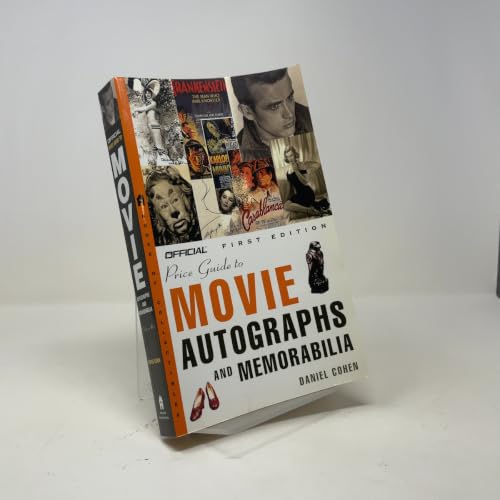 HOUSE OF COLLECTIBLES The Official Price Guide to Movie Autographs and Memorabilia
View on Amazon ↗
 BRAND: WALLACE HOMESTEAD A COLLECTOR'S GUIDE To MOVIE MEMORABILIA. With Prices.
View on Amazon ↗
 BRAND: BAJA PRESS Price guide and introduction to movie posters and movie memorabilia
View on Amazon ↗
Listing names and images come from Amazon and are rechecked against the live listings; last checked Nov 8, 2026. No prices shown; the current price is on the listing.
Scope and limits. This guide covers how to price and compare movie memorabilia as a category: posters, props, costumes, and signed items. It does not evaluate individual pieces or sellers, so check any dimensions, edition numbers, or authentication details on the listing before you commit.