Plush animal toys hinge on two decisions: how the toy will be used and how much upkeep you accept. Snuggle toys favor soft, squishy fills and simple shapes, while display and collectible pieces reward firmer bodies, detailed faces, and removable tags. The main tradeoff is softness against shape retention and cleanability, so a bedtime companion is rarely the best shelf piece and vice versa.
Start With the Fill, Not the Face
Fill is the first thing to check because it sets how the toy behaves when held, squeezed, washed, or displayed. Polyester fiber fill is the standard for most plush animals. It springs back slowly, feels fluffy, and tolerates gentle washing, though it can clump after many cycles.
Bean or pellet fill, often combined with fiber, adds weight and a floppy, calming feel. That weight helps a toy sit in a lap or on a shelf without sliding, but pellets can shift to the bottom over time and may not survive a machine wash.
Firm sculpted fill or dense stuffing keeps a defined shape, which matters for realistic animal silhouettes and display poses. This fill feels less huggable and more like a cushion, so it suits collectors and desk displays more than bedtime companions.
| Fill style | Feel in hand | Shape retention | Washing risk | Suits |
|---|---|---|---|---|
| Fiber filled | Soft and springy | Moderate | Low if air dried | Everyday snuggle toy |
| Bean filled | Weighty and floppy | Low, settles flat | High, pellets shift | Lap or sensory toy |
| Firm sculpted | Dense and sturdy | High | Low, spot clean best | Display or collector piece |
Check the listing for the fill material and whether the toy is surface washable only. A toy with no washing guidance is a risk if it will live near food, beds, or young children.
Fabric Feel Sets the First Impression
The outer fabric decides whether a plush animal invites a hug or asks to be admired from a distance. Short pile polyester plush is the most common. It feels smooth, resists matting, and cleans easily, but it can look generic up close.
Longer pile faux fur or shag fabric adds visual depth and a more realistic coat, especially for wild animal designs. The tradeoff is tangling and lint pickup, so these toys need more brushing and careful storage.
Minky and velour fabrics feel silky and are popular for baby safe toys and small collectibles. They photograph well and hold color, but they show flattening where they are handled often. Woven or printed cotton gives a firmer, less plush hand and appears more on decorative or retro style animals.
- Check the fabric name in the listing, not just the photo.
- Look for a stated pile length or close up shots of the texture.
- Ask the seller about shedding if the toy will be cuddled daily.
Seams and Joints Decide How Long It Lasts
A plush animal's weakest points are its seams, especially around ears, tails, and limbs. Double stitched or reinforced seams resist pulling, which matters for toys that will be grabbed by small hands or packed in bags.
Joint style changes how the toy moves. Simple stitched limbs are sturdy but fixed. Button or safety joints allow arms and legs to rotate, which can make a bear or rabbit more poseable for display, but the joint hardware can work loose over time.
Embroidered faces last longer than glued or painted details, which can peel or crack. If a listing mentions hand stitched details, look for close up photos that show even stitching and no loose threads.
Read the Listing for the Quiet Details
Many plush animals look similar in photos, so the listing text has to do the work. Check the stated height or length, not just the photo scale. A toy photographed next to a child can look larger than it is.
Look for a safety standard note, such as ASTM F963 in the US or a CE mark for European imports. This matters most for toys given to children under three, where small parts like plastic eyes or removable accessories are a choking risk.
Ask the seller about the filling weight and whether the toy is machine washable, surface washable, or spot clean only. A listing that omits care instructions often hides a material that will not survive real use.
Which Features Matter and Which Are Noise
Real features to weigh include the fill blend, fabric type, seam count, and whether the eyes and nose are embroidered or plastic. These change how the toy feels and how long it lasts.
Marketing noise includes phrases like 'ultra soft' without a fabric name, 'premium plush' without a fill description, or 'lifelike' when the toy is clearly a cartoon style. Scented toys and built in sound chips add a short term wow factor but create battery and cleaning complications.
A removable outfit or accessory can be a genuine feature for a collector who changes displays, but it is a choking or losing hazard for a toddler. Match the extras to the user, not to the product photo.
Mistakes That Send a Plush to the Back of a Closet
One common mistake is buying by cuteness alone and ignoring the fill. A toy that looks adorable in a listing can arrive stiff, lumpy, or too floppy for its intended use.
Another is assuming all plush animals are machine washable. Many collectible or specialty fabric toys are spot clean only, and a single wash can mat the fur or break the joints.
Buyers also overlook size. A 12 inch toy is a handful for an adult but a body pillow for a toddler, while a 30 inch toy can overwhelm a small shelf. Measure the space where the toy will live before ordering.
Who Should Pick an Alternative Instead
A plush animal is a poor fit for anyone who wants a toy that can be thrown in a washing machine weekly and still look new. The soft fills and long pile fabrics that make plush appealing break down under that routine.
Collectors who want a sealed, mint condition item with a graded box should look at vinyl or resin figures instead. Plush toys are hard to keep dust free and their tags are easily damaged. For more on sealed display options, see action figure display cases.
If the gift is for a child who chews toys, a silicone or rubber toy may be safer and easier to sanitize. Plush fabric holds moisture and bacteria, and a teething child can pull off plastic eyes or joints.
Care and Long Term Costs
Most plush animals need a gentle wash routine. Surface washable toys can be wiped with a damp cloth and mild soap, while machine washable toys should go in a pillowcase or laundry bag on a cold, gentle cycle. Air drying is safer than a dryer, which can mat the pile.
Long term, a plush toy used daily will need brushing to keep its fur from tangling, and pellet filled toys may need restuffing if the beans settle. Display pieces collect dust, so plan for a soft brush or a gentle vacuum attachment.
There are no consumables for a basic plush animal, but toys with sound chips or light up features will eventually need battery changes, and the electronics often cannot be removed for washing.
Plush Animal Questions Worth Asking
How do I know if a plush toy is safe for a baby?
Check the listing for an age rating and a safety standard like ASTM F963. For children under three, avoid toys with plastic eyes, buttons, or removable accessories that can come loose. Embroidered faces and sewn on limbs are safer. The fabric should also be free of loose fibers that can shed.
Can I wash a plush animal in the washing machine?
Only if the listing says machine washable. Many plush toys, especially those with long pile fur, bean fill, or jointed limbs, are surface washable or spot clean only. Machine washing those can mat the fur, shift the fill, or break the joints. Always use a laundry bag and air dry.
What size plush animal should I buy for a desk display?
Measure the shelf or desk space first. A toy between 6 and 12 inches tall usually fits a standard desk shelf without crowding. Anything over 18 inches tends to dominate the space. Also check the toy's footprint, since a sitting animal can be wider than its listed height.
Is a firmer or softer plush better for collecting?
Firmer, sculpted fills hold their shape and look better on a shelf over time. Softer fills can sag or flatten, especially if the toy is handled. Collectors who keep the tag attached and display in a dust free case should prioritize a firm fill and a fabric that resists dust, like short pile plush.
What should I check before buying a plush animal as a gift?
Match the toy to the recipient's age and use. For a child, check washability, safety eyes, and seam strength. For an adult collector, check the fill firmness, fabric type, and whether the tag is attached. Also verify the size against the listing dimensions, not the photo.
Which Plush Animal Fits Your Shelf or Bed
A buyer who wants a soft companion for a child or a cozy desk buddy should pick a fiber filled, short pile plush with embroidered features and a machine washable label. That combination balances softness, durability, and easy care. A collector who displays pieces and rarely handles them should choose a firm sculpted fill with a detailed face and a fabric like minky or long pile faux fur, accepting that it needs gentle dusting and no washing. For travel or school bags, a small bean filled toy under 10 inches works well because the weight keeps it from sliding around.
Real plush animal toy listings, so you can check the points in this guide against actual products. These are affiliate links: as an Amazon Associate we earn from qualifying purchases, at no extra cost to you.
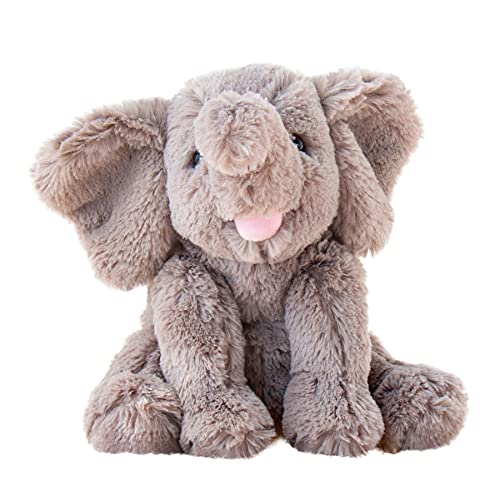 HOPEARL Hopearl Adorable Plush Calf Elephant Toy Floppy Elephish Ultra Soft…
View on Amazon ↗
 WEIGEDU WEIGEDU Floppy Stuffed Dog Puppy Plush Toy, 20 inch, Brown…
View on Amazon ↗
 DOUGLAS Douglas Spunky Hedgehog Plush Stuffed Animal
View on Amazon ↗
Listing names and images come from Amazon and are rechecked against the live listings; last checked Nov 8, 2026. No prices shown; the current price is on the listing.
About this guide. Use this guide as a checklist to hold against any plush animal listing you are considering. It describes the category in general, not individual models, so verify the fill, fabric, and care instructions on the product page before you buy.