Decide by learning style and goal. Structured video courses with graded assignments suit motivated beginners who need deadlines. Self paced text or app based courses suit curious musicians with irregular schedules. The main tradeoff is accountability versus flexibility. Check whether the course includes feedback on your writing and ear training, not just lecture videos.
Feedback Matters More Than Video Quality
Most music theory mistakes are invisible to the learner. You can write a chord progression that sounds fine to you but breaks voice leading rules. You can mislabel a cadence and not know it. A course that only shows videos leaves those errors in place.
Look for a course that asks you to produce something: a short composition, a Roman numeral analysis, a melody harmonization. Then check how that work gets reviewed. Written feedback from an instructor is the strongest option. Automated feedback with hints is useful for drills. Peer feedback can work but varies widely.
If the listing does not say how submissions are reviewed, ask the seller before buying. A course with no feedback is closer to a video library than a class.
Practice Depth Separates Knowing From Doing
A multiple choice quiz can tell you that you remember a definition. It cannot tell you whether you can write a smooth bass line under a given melody. Music theory is a craft skill, closer to learning grammar by writing sentences than by recognizing parts of speech.
Compare the practice format. Graded workbook exercises with model answers let you self check. Auto graded dictation drills build ear to page fluency. Composition prompts with rubrics push you to apply several concepts at once. Courses that rely mostly on video plus a few quizzes teach recognition, not production.
The depth of practice often predicts how long the knowledge stays useful. If you want to write or arrange music, prioritize courses with weekly writing assignments.
Fixed Deadlines Help Some Learners, Block Others
Cohort courses run on a shared calendar. Assignments come due each week, and the group moves forward together. That structure helps people who struggle to start without external pressure. It also forces you to work on weeks when you are busy or uninspired.
Self paced courses let you slow down for a hard topic like secondary dominants or speed through a review of intervals. The tradeoff is that many self paced learners stall around the middle of the course and never finish.
Think about your last three self directed learning attempts. If you finished them, self paced is a reasonable bet. If you abandoned them, a cohort course or a shorter course with a clear end date may work better.
Course Formats and Where Each One Fits
Music theory courses arrive in a few repeatable formats. Each one suits a different practice style and schedule.
| Format | Feedback style | Practice depth | Suits |
|---|---|---|---|
| Cohort course | Instructor or TA review | Weekly graded writing and ear training | Motivated beginners who need deadlines |
| Self paced video | Often none or automated | Workbook exercises with answer keys | Curious learners with irregular schedules |
| App or micro course | Automated only | Short drills and quizzes | Commuters and casual hobbyists |
| Reference book plus course | None | Chapter exercises, self checked | Independent readers who want a structured path |
A cohort course is the strongest choice if you can commit to its calendar. Self paced video is the most common default. Apps work well as a supplement to another course or as a low pressure introduction.
Read the Listing for These Specific Promises
Course listings mix real features with vague benefits. Check for concrete statements about the three factors above.
First, look for the feedback mechanism. Phrases like 'instructor feedback', 'graded assignments', or 'personal review' mean something. Phrases like 'lifetime access' or 'learn at your own pace' say nothing about whether anyone will look at your work.
Second, check the practice materials. A real course lists the workbook, the number of exercises, the ear training drills, or the composition projects. If the listing only promises 'engaging video lessons', treat it as a lecture series.
Third, ask the seller two questions before buying. Does the course include review of my written work, and who does that review? Can I see a sample assignment and its grading rubric? Sellers who cannot answer those questions are selling content, not instruction.
Ear Training Is Part of the Course, Not an Add On
Some courses treat ear training as a separate skill you can pick up later. That split slows down real progress. Music theory describes what your ear already hears. Interval recognition, chord quality identification, and dictation make the written rules meaningful.
Check whether the course weaves ear training into each unit. A lesson on cadences should include listening examples and a quiz where you identify cadences by ear. A lesson on seventh chords should drill the difference between a major seventh and a dominant seventh.
If the course has no ear training component, you will need to add a separate app or drill set. That is not a dealbreaker, but it is a hidden cost in time and attention.
Who Should Skip a Music Theory Course
A formal course is overkill for some musicians. If you want to learn a few songs on guitar or piano and never write your own material, a course will feel like homework. You may be happier with a chord chart app, a song tutorial series, or just playing along with recordings.
If you already read music fluently and want to analyze one composer's style, a single good textbook with analysis examples may serve you better than a general course. A course spends time on fundamentals you already know.
If you need theory for a specific exam, such as a college placement test or an ABRSM grade, check the course syllabus against that exam's requirements. A general theory course may not line up with the exam's terminology or question format. An alternative like a dedicated exam prep guide or a tutor may be a better fit.
For those who want to produce electronic music, check out other music learning resources before committing to a full theory sequence.
Common Mistakes Buyers Make With Theory Courses
One mistake is buying the most comprehensive course available. A 40 hour theory curriculum sounds impressive but becomes a burden if you only wanted to understand chord symbols for lead sheets. Choose the shortest course that covers your goal.
Another mistake is ignoring the instrument context. Theory taught entirely on a piano staff helps keyboard players but can feel abstract to guitarists. Some courses use guitar tab and fretboard diagrams alongside notation. If you play a string or wind instrument, look for a course that shows examples in your clef and range.
A third mistake is buying a course as a gift for someone who has not asked for it. Music theory requires steady practice, and an unwilling learner will not do the exercises. A better gift is a short, playful introduction rather than a full curriculum.
Long Term Costs and What You Keep
Most music theory courses are a one time payment for lifetime access. That is a fair deal if the course includes downloadable workbooks and answer keys you can keep. Some subscription based courses charge monthly and remove access when you stop paying.
Check what happens to your submitted work. In a cohort course, your assignments and instructor comments may disappear when the cohort ends. Download or screenshot feedback you want to keep.
Some courses use a required textbook that is sold separately. That is an extra cost, but a good textbook remains useful after the course ends. A course that includes its own workbook is often the better long term value.
If you care about owning your learning materials, a downloadable PDF and audio drills beat a streaming only course.
Music Theory Course Questions Before You Enroll
How long does it take to finish a music theory course?
A focused fundamentals course often runs 20 to 40 hours of work over 4 to 10 weeks. A full curriculum covering harmony, counterpoint, and form can take 6 to 12 months at a steady pace. The listing usually states an estimated completion time, but your pace depends on how much ear training and written practice you do.
Can I learn music theory without reading sheet music?
You can learn some concepts, like chord construction and scale patterns, from diagrams and tab. But notation is the standard language for voice leading, intervals, and analysis. A course that avoids notation limits how far you can go. Some courses introduce notation gradually and pair it with fretboard or keyboard diagrams.
Is a music theory course worth it for a self taught musician?
Often yes, if you have gaps in your understanding. A structured course fills in the fundamentals you skipped, like key signatures, chord function, and rhythm reading. It also gives you a shared vocabulary for talking with other musicians. The key is choosing a course that starts at your actual level, not one that rehashes the basics you already know.
What is the difference between a music theory course and an app?
An app typically offers short drills and quizzes with automated feedback. It is good for ear training and memorization. A course offers a sequence of lessons, written assignments, and often instructor or peer feedback. Use an app to supplement a course or to maintain skills between lessons.
Which music theory course format is best for a busy schedule?
A self paced video course or a micro course works best if your schedule changes weekly. You can study in short blocks without falling behind a cohort. The risk is losing momentum. Set your own weekly goal, such as finishing one lesson and one set of exercises, to keep moving.
Which Music Theory Course Fits Your Practice Style
A guitarist who wants to write songs and can practice two evenings a week should pick a self paced course with instructor feedback and downloadable workbooks. That combination gives structure without a rigid calendar. A parent buying a course for a teenager preparing for a college music audition needs a different pick: a cohort course with graded assignments and a clear exam alignment, because deadlines and instructor review matter more than flexibility.
Real music theory course listings, so you can check the points in this guide against actual products. These are affiliate links: as an Amazon Associate we earn from qualifying purchases, at no extra cost to you.
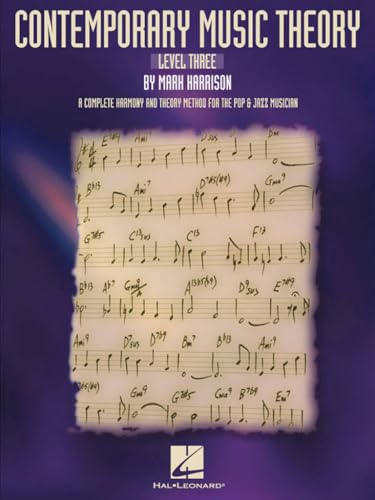 HAL LEONARD Contemporary Music Theory - Level Three | Mark Harrison Piano…
View on Amazon ↗
 Practical Theory Complete: A Self-instruction Music Theory Course
View on Amazon ↗
 KENDALL HUNT PUBLISHING Music Theory for Singers Condensed Course
View on Amazon ↗
Listing names and images come from Amazon and are rechecked against the live listings; last checked Nov 8, 2026. No prices shown; the current price is on the listing.
How to read this guide. Use this guide as a checklist to hold against any music theory course listing, not as a verdict on a single model. It is written from general knowledge of how these courses are built; no individual course documents, reviews, or tests were used, so verify any assignment count or feedback promise directly with the seller.