Fiber content and wash care decide almost everything, so start there. Cotton and acrylic handle frequent washing and allergies; wool and alpaca insulate better but need gentler care. Then check the weave: loose, open knits snag on crib rails and little fingers, while dense stitches hold up longer. Size is the final filter, since a bassinet blanket will not cover a toddler bed.
Read the Fiber Before the Color
A knitted blanket's fiber sets its warmth, weight, and wash routine. Cotton is the easiest choice for a baby gift: it breathes, resists pilling, and survives hot washes and dryers. Acrylic is lighter and cheaper, but it can feel sweaty against skin and may melt if touched by a hot iron.
Wool and alpaca are the warmest, but they need cool water, flat drying, and sometimes hand washing. A wool blend with cotton or acrylic splits the difference, giving some warmth without full delicate care. Check the listing for the exact fiber percentages, not just a vague 'soft yarn' claim.
- Cotton: washable, breathable, less warm
- Acrylic: lightweight, budget, traps heat
- Wool or alpaca: warmest, hand wash, air dry
- Blends: a middle ground for warmth and care
Knit Density Sets the Snag Risk
A loose, open knit looks airy but catches on crib slats, stroller buckles, and tiny fingers. A dense, tight stitch holds its shape and resists pulls. Run your eyes over the listing photos: if you can see large gaps between the stitches, expect more snags.
Chunky, oversized yarn makes a thick blanket but also leaves big loops. Fine gauge knits feel smoother and are less likely to catch. For a blanket that will live in a crib or playpen, pick a tight stitch over a trendy loose one.
Match the Size to the Bed, Not the Baby
A knitted blanket that is too small becomes a lap throw; too large and it bunches in a stroller. Measure the crib, bassinet, or toddler bed before you buy. Standard crib blankets run around 30 by 40 inches, but handmade sizes vary, so check the listed dimensions.
For a newborn swaddle, a 30 by 30 inch square works. For a toddler bed, look for 40 by 60 inches or larger. If the listing gives only a photo with no measurements, ask the seller before ordering.
Wash Care Is the Hidden Long Term Cost
A blanket that cannot go in the washing machine will cost you time and effort for years. Machine washable cotton and acrylic are the practical picks for daily use. Wool and alpaca need special detergent, cool water, and flat drying to avoid shrinking or felting.
Check the care tag or listing notes. If it says 'hand wash only' or 'dry clean', that is a real ongoing task. For a baby gift, assume it will be washed weekly, and choose a fiber that can handle that.
Three Weave Styles Compared
The main weave types each suit a different situation. Use this table to match the weave to how the blanket will actually be used.
| Weave style | Warmth | Snag risk | Best use |
|---|---|---|---|
| Open or lacy | Low | High | Decorative throw, supervised use |
| Standard stockinette | Medium | Medium | Everyday blanket, stroller |
| Dense or ribbed | High | Low | Crib, toddler bed, play mat |
| Chunky yarn | Medium | High | Photo props, gentle cuddling |
A lacy blanket looks beautiful in photos but is not a workhorse. A dense ribbed knit is the safest choice for a child who moves around a lot.
Handmade Edges and Finishing
Look at the blanket's border. A finished edge, whether crocheted, ribbed, or bound off neatly, prevents the knit from unraveling. A raw or loosely bound edge will curl and fray over time.
Also check for loose yarn ends. A well finished blanket has no dangling threads that a baby could pull or wrap around a finger. If the photos do not show the edges clearly, ask the seller for a closeup.
Who Should Skip a Knitted Blanket
Knitted blankets are not the right choice for every household. If the blanket will be washed daily or used by a pet that sheds, a woven cotton or fleece blanket may hold up better. If the recipient has a wool allergy, avoid any wool blend.
For a baby under 12 months, loose blankets in the crib are not recommended for sleep. A wearable blanket or sleep sack is safer. If the gift is for a newborn, consider a knitted blanket for tummy time or stroller use instead of overnight sleep.
The Listing Checks That Matter
Before you add a knitted blanket to the cart, verify these points in the listing or by messaging the seller:
Fiber content with percentages, not just 'soft yarn'. Finished dimensions in inches. Care instructions that match your wash routine. A closeup photo of the edge finishing. Whether the blanket is handmade or machine knit, if that matters to you.
If any of these are missing, ask. A seller who cannot tell you the fiber or size is a risk. For more on checking handmade listings, see how to vet a handmade journal listing before you buy.
Knitted Blanket Care and Sizing Questions
How do I wash a knitted blanket without ruining it?
Check the fiber first. Cotton and acrylic can usually go in a cold or warm machine wash and a low dryer. Wool and alpaca need cool water, a wool safe detergent, and flat drying. Always reshape the blanket while damp and never wring or hang a heavy knit, which stretches the fibers.
What size knitted blanket is best for a baby?
For a newborn swaddle or stroller, a 30 by 30 inch square works. For a crib, 30 by 40 inches is common. For a toddler bed, look for 40 by 60 inches or larger. Always measure the bed or stroller first, because handmade sizes vary from pattern to pattern.
Is acrylic or cotton better for a baby blanket?
Cotton is better for most babies. It breathes, wicks moisture, and withstands hot washes and dryers. Acrylic is cheaper and lighter, but it can feel sweaty and may pill or melt under high heat. If the baby has sensitive skin or eczema, cotton is the safer pick.
Can a knitted blanket go in the dryer?
Only if the fiber allows it. Cotton and acrylic blends usually can, on low heat. Wool, alpaca, and many superwash wools should be air dried flat to prevent shrinking and felting. Check the care tag; if it says 'lay flat to dry', do not put it in the dryer.
Which knit stitch is safest for a crib?
A dense, tight stitch like ribbing or a fine stockinette is safest. Loose, lacy, or chunky knits have large gaps that can catch fingers and crib hardware. For a crib or playpen, choose a blanket with small, close stitches and a finished edge.
The Knitted Blanket to Add to the Cart
Someone buying for a baby who spits up, drools, and gets a blanket washed twice a week should pick a dense cotton knit in a crib size. Cotton handles hot washes without pilling, and a tight stitch keeps little fingers from snagging. Skip that pick only if the blanket is for a cold climate bedroom, where a wool blend in a toddler bed size will actually keep a child warm through the night. A lacy acrylic throw is the wrong gift for either situation.
Real knitted blanket listings, so you can check the points in this guide against actual products. These are affiliate links: as an Amazon Associate we earn from qualifying purchases, at no extra cost to you.
 LITTLE DEDI Little Dedi 100% Organic Cotton GOTS Certified Baby Knitted Blanket…
View on Amazon ↗
 MIMIXIONG mimixiong Cotton Baby Blanket Knitted Crochet Receiving Crib | Nursery…
View on Amazon ↗
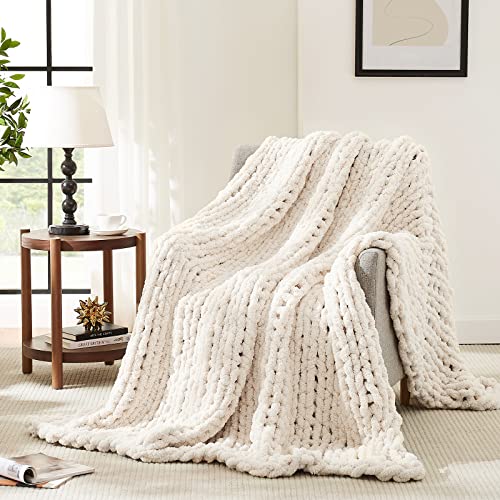 L'AGRATY L'AGRATY Chunky Knit Throw Blanket for Couch, 50'' x 60''…
View on Amazon ↗
Listing names and images come from Amazon and are rechecked against the live listings; last checked Nov 8, 2026. No prices shown; the current price is on the listing.
How to read this guide. Use this guide as a checklist to hold against any knitted blanket listing you open. It covers the product type in general, not individual models, and is written from category knowledge rather than product documents, reviews, or tests. Verify any listed dimension or care instruction with the seller before you order.