Two factors decide most jersey frame purchases: whether you ever need to take the jersey out again, and how much direct light the display wall receives. A sealed shadow box with UV filtering acrylic protects a signed or game worn piece but makes removal slow. A hinged or snap open frame lets you swap jerseys easily, yet usually offers less protection from dust and fading. Choose based on access versus preservation.
How Often You Will Touch the Jersey
Start with access, because it changes every other choice. If the jersey is a signed retirement piece or a game worn keepsake, you will likely hang it once and leave it alone for years. A sealed frame makes sense there. The back panel screws or clips into place, the corners stay tight, and the jersey sits behind a continuous seal that keeps dust and moisture out.
A collector who rotates jerseys with the season, or who wants to switch a display between a bedroom and a fan cave, needs a different design. Look for a hinged front door or a snap open back. These open without tools and let you swap the jersey in under a minute. The tradeoff is a looser fit around the edges, which lets more dust inside over time.
Also consider how the jersey goes into the frame. Some designs use a rigid backing board with pins or clips. Others use a clear front panel that presses the jersey flat. Neither is better overall; the right one depends on whether you want the jersey to look crisp and flat or keep a little natural drape.
Light Is the Main Long Term Threat
Direct sunlight fades fabric and ink faster than almost anything else in a room. A jersey hung across from a south or west facing window, or under strong track lighting, needs glazing that blocks ultraviolet light. Look for acrylic or glass labeled UV filtering, often listed as blocking 97 to 99 percent of UV rays.
Plain glass and standard acrylic do almost nothing for UV. They protect against dust and accidental touches, but a signed number can still fade in a bright room within a few years. If the wall gets no direct sun and the room lights are dim or LED, plain glazing is fine and costs less.
Acrylic also matters for safety and weight. A large frame with glass can be heavy and can shatter if it falls. Acrylic is lighter and resists breaking, which matters in a kid's bedroom, a busy sports bar, or anywhere the frame might get bumped. Check whether the listing calls the front panel acrylic, plexiglass, or safety glass.
Depth Decides Which Jerseys Fit
Jersey frames come in shallow and deep profiles. A shallow frame, often around one to two inches deep, works for a thin replica jersey folded once. A deeper shadow box, often three to four inches or more, fits a thick hockey sweater, a folded basketball jersey with shorts, or a jersey displayed with a puck, ticket stub, or photo.
Check the interior depth, not the outside frame width. Some listings give the outside measurement, which includes the frame molding and can overstate the space by half an inch or more. A jersey that is too thick for the depth will press against the glazing and look cramped, or the back panel will not close.
If you plan to display more than the jersey, such as a pair of gloves or a folded flag, measure the stack before choosing a depth. Fold the jersey the way you plan to hang it, add any other items, and measure the thickest point. Then look for a frame with at least a quarter to half inch of extra interior depth.
Mounting Style Changes the Look and the Wall
Most frames hang from a wire or sawtooth hanger on the back. A wire lets you level the frame after hanging. Sawtooth hangers are simpler but less forgiving if the wall is uneven. Check the listing for the hanging hardware and its weight rating.
Some large frames are too heavy for a single nail in drywall. A frame over 15 or 20 pounds should use a wall anchor or a screw into a stud. The listing may state the frame weight. Compare that to the hardware included. If the frame is heavy and the wall is drywall, plan to buy anchors separately.
For a fan cave or sports bar, consider a frame with a cleat style mount. A French cleat spreads the weight across a wider area and keeps the frame level with less fuss. It also makes it easier to lift the frame off the wall for cleaning or moving.
The Backing Board Does the Quiet Work
The backing board holds the jersey in place and keeps it from sagging. Cheap frames use thin cardboard, which can bow over time and let the jersey wrinkle. Better frames use a rigid board, often MDF or foam core, wrapped in fabric or felt.
How the jersey attaches to the board matters too. Pins, clips, or straps should hold the jersey without poking through the front. Some boards use a clear plastic rod through the sleeves to keep the shoulders square. Others use adhesive strips that can leave residue on the fabric. Compare the attachment method in the listing.
If the jersey is valuable, avoid any adhesive that touches the fabric directly. Look for a frame that supports the jersey with pins through the seams, a sleeve rod, or a pressure fit between the board and glazing. These hold the jersey without changing the fabric.
Comparing the Main Frame Designs
| Design | Access speed | Dust seal | UV protection | Suits |
|---|---|---|---|---|
| Snap open front | Fast | Loose | Varies | Rotating displays |
| Hinged door | Medium | Medium | Varies | Occasional swaps |
| Screwed shadow box | Slow | Tight | Often good | Signed keepsakes |
| Sealed acrylic box | Very slow | Very tight | Usually best | Game worn or rare |
The table shows the main tradeoff: speed of access versus protection. A snap open frame suits a bedroom where the jersey changes with the season. A sealed acrylic box suits a signed jersey that will stay put for a decade. Pick the design that matches how often you expect to open the frame.
What to Check in a Listing
Read the listing for three numbers: interior width, interior height, and interior depth. A jersey frame is often listed by the outside size, so a 32 by 40 inch frame may only fit a 30 by 38 inch jersey. Check the inside dimensions against your jersey's measurements before buying.
Look for the glazing material and whether it is UV filtering. If the listing says only 'glass' or 'clear front', assume no UV protection. If it says 'UV acrylic' or 'UV filtering glass', that is a different product and worth the extra cost for a signed or game worn jersey.
Ask the seller about the backing board material and the attachment method if the listing is unclear. A rigid board with a sleeve rod or pins through the seams is safer for the fabric than adhesive strips. Also ask the weight of the frame, which tells you what wall hardware you need.
Where the Frame Will Live
A bedroom display usually needs a clean, simple frame that matches other wall decor. A black or white frame with a plain backing board works well. The jersey itself provides the color. Avoid frames with team logos or bright molding unless the room is already decorated around the team.
A fan cave or sports bar can handle a bolder frame. A thicker molding, a colored mat, or a frame with room for a ticket and photo fits the space. The key is the same: the frame should not compete with the jersey. If the room has other framed pieces, match the frame molding width and finish.
For a gift, choose a frame that works without knowing the exact wall. A neutral black frame with UV acrylic is a safe choice. It fits most rooms and protects the jersey whether it hangs in a bright living room or a dim office. Check whether the gift recipient already has a frame style they prefer.
Cleaning and Long Term Care
The frame needs almost no maintenance, but the glazing collects dust. Wipe the front panel with a soft, dry microfiber cloth. Avoid glass cleaners with ammonia on acrylic, which can cloud the surface over time. A damp cloth with a little mild soap works if the panel is dirty.
If the frame is not fully sealed, dust can settle on the jersey inside. A hinged or snap open frame lets you open it once a year to brush the jersey gently with a clean, dry cloth. Do not vacuum the jersey, which can pull threads or damage stitching.
For a sealed frame, dust inside is harder to reach. That is another reason to choose a tight seal for a valuable jersey: you will not need to open it often. For a rotating display, accept that you will need to dust the jersey occasionally and choose a frame that opens easily.
Jersey Frame Questions Before You Buy
How do I measure a jersey for a frame?
Lay the jersey flat and measure across the chest from armpit to armpit, then from the top of the shoulder to the bottom hem. Add two to four inches to each measurement for the visible border around the jersey. Compare those numbers to the interior width and height in the frame listing, not the outside frame size.
Does a jersey frame need UV protection?
Only if the jersey will hang in direct sunlight or under strong unfiltered light. UV filtering acrylic or glass blocks most fading rays and is worth the extra cost for a signed or game worn jersey. A replica jersey in a dim room can use plain glazing without much risk.
Can I put a thick hockey jersey in a regular frame?
It depends on the interior depth. A hockey sweater folded once can be two to three inches thick, so look for a shadow box with at least three to four inches of interior depth. A shallow frame meant for a thin soccer or basketball jersey will not close properly around a thick sweater.
What is the safest way to hang a heavy jersey frame?
Use a wall anchor or screw into a stud for any frame over about 15 pounds. A French cleat mount spreads the weight and keeps the frame level. Check the frame's listed weight and the included hardware. Drywall alone will not hold a large glass frame securely.
Is a sealed jersey frame worth the extra cost?
For a signed, game worn, or irreplaceable jersey, yes. The tight seal keeps out dust and moisture, and the UV filtering glazing slows fading. For a jersey you plan to swap out seasonally, a hinged or snap open frame is more practical even if it costs less.
Which Jersey Frame Fits Your Wall
Someone hanging a signed or game worn jersey in a bright room should choose a sealed shadow box with UV filtering acrylic and a rigid backing board. The higher cost buys years of protection without fading or dust. A collector who swaps jerseys between a bedroom and a fan cave each season should instead pick a hinged door frame with a snap open front. It sacrifices some seal but keeps the display fresh without tools.
Real jersey frame listings, so you can check the points in this guide against actual products. These are affiliate links: as an Amazon Associate we earn from qualifying purchases, at no extra cost to you.
 GUTAG Jersey Wooden Frame Display Case -Shadow Box with 98% UV…
View on Amazon ↗
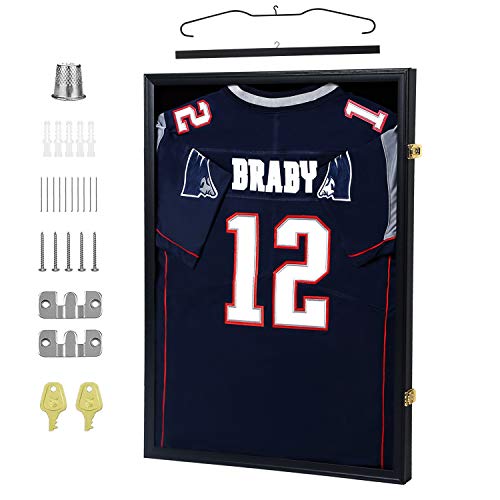 IHEIPYE IHEIPYE Jersey Display Frame Case, Large Sport Jersey Shadow Box,…
View on Amazon ↗
 DISPLAYGIFTS Pro Collector's Jersey Display Case Frame Shadow Box with 98%…
View on Amazon ↗
Listing names and images come from Amazon and are rechecked against the live listings; last checked Nov 8, 2026. No prices shown; the current price is on the listing.
How to read this guide. This guide covers jersey frames as a category, from shallow display cases to deep shadow boxes, and explains the design choices that affect access, protection, and fit. It does not evaluate individual frame models, and any dimension or material listed should be checked on the product page before purchase.