Room size and headphone use decide most practice amp choices. Small apartments favor low wattage, good headphone outputs, and compact speakers. Players chasing specific tones should prioritize amp modeling and effects over raw power. The main tradeoff is between bedroom friendly volume control and the fuller sound of a larger speaker.
Match the Wattage to the Room, Not the Dream
A 50 watt tube amp can rattle windows before it reaches its sweet spot. Solid state practice amps usually stay more controlled at bedroom volume. For an apartment, look for low wattage, often under 10 watts, or an amp with a power scaling switch.
Wattage numbers do not tell the whole story. Speaker size and cabinet design affect perceived loudness. A 5 watt amp through a 10 inch speaker can still be too loud for thin walls. A headphone output sidesteps the problem entirely.
Headphone Practice Is the Feature You Will Use Most
Late night practice, shared walls, or a sleeping housemate make headphone output the single most useful feature on a practice amp. Check that the headphone jack mutes the speaker and that the output is standard 3.5 mm or quarter inch, or both.
Some amps include a cab simulated headphone out, which sounds less harsh than a raw direct signal. Without that, clean tones can sound brittle through headphones. If silent practice matters more than room sound, a dedicated headphone amp or multi effects unit may fit better.
Built In Effects Save You a Pedalboard
A practice amp with reverb, delay, and a few drive modes lets you explore sounds without extra gear. Modulation effects like chorus and tremolo are common at mid prices. Compare how many effects are available and whether you can store presets.
Marketing often highlights dozens of amp models and effects. What matters is whether the few you use sound convincing at practice volume. A simpler amp with one great clean and one great crunch tone can beat a complicated modeler that sounds thin.
Aux Input and Bluetooth Change How You Practice
Playing along with songs is easier when the amp has an aux input or Bluetooth. A wired aux input is simple and reliable. Bluetooth adds convenience for streaming backing tracks from a phone, but check for latency if you plan to play along in real time.
Some amps include a dedicated app for deep editing or jam tracks. This can be useful, but it is not essential. The core question is whether you can hear your guitar and a reference track at the same time without extra cables or speakers.
Speaker Size Sets the Floor for Your Tone
Small practice amps often use a 6.5 or 8 inch speaker. These save space and keep volume manageable, but they can sound boxy on low notes. A 10 or 12 inch speaker gives more body and low end, but it also moves more air and may be harder to keep quiet.
Cabinet design matters too. A closed back cab tightens the bass, while an open back spreads sound more. For a desk or shelf, a small closed back cab is often the safest bet. For floor use, an open back 10 inch combo can sound surprisingly full.
The table below summarizes how common practice amp types compare.
| Amp type | Wattage range | Speaker size | Headphone practice | Best fit |
|---|---|---|---|---|
| Mini modeling amp | 1 to 10 watts | 3 to 6.5 inch | Good, often cab sim | Desks and tiny rooms |
| Desktop headphone amp | No speaker | None | Excellent, core feature | Silent practice and travel |
| 8 to 10 inch combo | 10 to 40 watts | 8 or 10 inch | Usually included | Small home studios |
| 12 inch combo | 20 to 100 watts | 12 inch | Often included | Larger rooms and stage use |
A 12 inch combo can serve as a stage amp, but it is overkill for most apartments. Choose the smallest speaker that still gives you the low end you need.
Solid State Versus Tube: The Practice Tradeoff
Tube amps are prized for warm breakup, but they need volume to sound their best. At bedroom levels they can sound dull or fizzy. Solid state and digital modeling amps are more consistent at low volume and usually lighter and cheaper to run.
Hybrid designs put a tube in the preamp or power section. This can add character without the full weight and maintenance of an all tube amp. For a practice tool, reliability and low volume tone usually matter more than tube authenticity.
Recording and Connectivity Features Worth Checking
A USB audio out turns the amp into a simple recording interface. This matters for home recording and for players who want to capture ideas quickly. Check if the USB out sends a dry signal, a processed tone, or both.
Some practice amps include a line out or effects loop. A line out can feed a mixer or powered speaker. An effects loop lets you place pedals after the preamp, which matters if you use time based effects like delay and reverb.
Skip the Practice Amp If You Already Have a Modeler
If you own a multi effects unit or amp modeler with headphone out, a separate practice amp may be redundant. A pair of studio monitors or a powered speaker can work instead. This saves space and money while giving you the same tones.
An electric guitar kit for apartment beginners often includes a tiny amp, but that amp is usually the weakest part. Upgrading to a proper practice amp or a headphone solution is the single biggest sound improvement a beginner can make.
Practice Amp Questions, Answered for Small Rooms
What is a good wattage for a guitar practice amp?
For an apartment or bedroom, 1 to 10 watts is usually enough. Solid state amps in that range stay clean and controlled at low volume. If you also play small gigs or jam with a drummer, 20 to 40 watts with a 10 or 12 inch speaker gives more headroom while still working at home.
Can I use a guitar practice amp for home recording?
Yes, many practice amps include a USB audio out that sends your processed tone straight to a computer. This is simpler than miking a cab and works well for demos and practice tracks. If you need studio quality, a dedicated audio interface and amp simulator software may give better results.
Is a tube amp worth it for quiet practice?
Usually not. Tube amps need volume to reach their sweet spot, and at bedroom levels they often sound muddy or harsh. A solid state or modeling amp is more consistent at low volume. If you want tube character, look for a hybrid or a modeler with good tube emulation.
Do I need an effects loop on a practice amp?
Only if you plan to use time based pedals like delay and reverb. An effects loop places those pedals after the preamp, where they sound cleaner than running into the front of the amp. If you use only the amp's built in effects or no pedals, you do not need one.
Which speaker size is best for a small apartment?
A 6.5 or 8 inch speaker is the most practical for a small apartment. It keeps the cabinet compact and the volume manageable, though low notes may lack body. If you have a dedicated practice corner and can play at moderate volume, a 10 inch speaker offers a fuller sound without dominating the room.
Which Practice Amp Fits a Quiet Home
A player in an apartment who practices late should pick a low wattage modeling amp with a headphone out and a 6.5 or 8 inch speaker. That gives usable tones at low volume without a pedalboard. A player who also records often should instead look for a practice amp with USB audio out and an aux input, even if it costs a bit more.
Real guitar practice amplifier listings, so you can check the points in this guide against actual products. These are affiliate links: as an Amazon Associate we earn from qualifying purchases, at no extra cost to you.
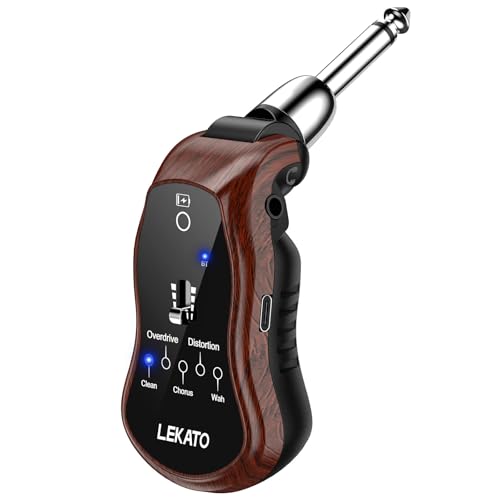 LEKATO LEKATO Guitar Headphone Amp,Micro Electric Guitar Headphone Amp for Electric…
View on Amazon ↗
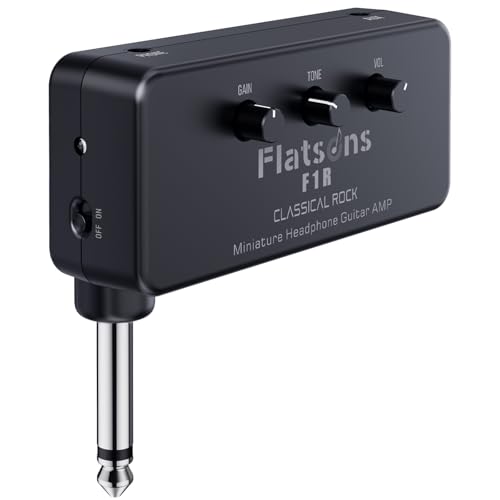 FLATSONS Flatsons F1R Mini Guitar Headphone Amp with Distortion | Classic…
View on Amazon ↗
 JOYO JOYO Mini Amp 5W Portable Plug in Practice Electric Amp…
View on Amazon ↗
Listing names and images come from Amazon and are rechecked against the live listings; last checked Nov 8, 2026. No prices shown; the current price is on the listing.
What this guide is. Use this guide as a checklist to hold against any guitar practice amp listing, not as a verdict on a specific model. It is written from general category knowledge, so verify dimensions, wattage, and jack types on the listing before buying.