Start with the film format: 35mm, 70mm or specialty widths. The cell must fit your display frame or light box. Then check the image: a sharp, bright frame with a recognizable scene matters more than a certificate. Finally, consider the light source: backlit cells show detail, while front lit cells need clean, contrasty frames.
Which Film Format Fits Your Display
Film cells come in several widths. 35mm is the most common and fits most standard display frames. 70mm cells are wider and show more image, but they need a larger frame or light box. Specialty formats like 16mm or IMAX strips exist, but they are harder to find and harder to frame.
Check the cell width against your frame opening before you buy. A 35mm cell is typically about 24mm tall and 36mm wide per frame. A 70mm cell is roughly 48mm tall and 70mm wide. If you plan to mount the cell in a mat, measure the window precisely. A mismatch means cropping or a cell that floats in the opening.
Some sellers cut cells from full reels. Others sell factory cut strips. A cut from a reel may have uneven edges or a missing sprocket hole. Factory cut strips are more uniform. Neither is better for display, but the cut quality affects how neatly the cell sits in a frame.
Sprocket Holes Change the Look
Sprocket holes are the perforations along the film edge. Some collectors want them visible as proof the cell came from a real print. Others prefer a clean image without holes. Decide which look you want before you buy.
A cell with visible sprocket holes reads as a film artifact. It works well in a frame with a wide border that shows the full strip. A cell with the holes hidden behind a mat looks more like a photograph. The same cell can look completely different depending on how you frame it.
Backlighting Shows Detail Front Lighting Hides
Film cells are translucent. A backlit frame or light box makes the colors glow and shows shadow detail. A front lit cell in a standard frame looks darker and flatter. If you want the image to read like a movie still, plan for backlighting.
Backlit frames cost more and need a power source. Some use LED strips, others use a diffuser panel. Check the listing for the light type and brightness. A cheap backlight can create hot spots or a blue cast. A diffused light spreads evenly across the cell.
If you will only front light the cell, pick a bright, high contrast image. Dark scenes or night shots will look muddy. A closeup of a face or a bright landscape reads better in a standard frame.
Image Sharpness Beats a Certificate
Many cells come with a certificate of authenticity. A certificate says the cell came from a real print, but it does not tell you if the image is sharp. Ask the seller for a closeup photo of the cell itself. Look for crisp edges, good color and a recognizable scene.
Some cells are printed from duplicate negatives or digital scans. Others are cut from release prints. A release print cell often has richer color and finer grain. A duplicate can look softer or have a color shift. The listing should say which type it is. If it does not, ask.
A blurry or dark cell is not worth framing, even with a certificate. Compare several listings for the same film. The difference in image quality is often visible in the photos.
Storage Before You Frame
Film cells are sensitive to heat, humidity and light. Store them flat in a cool, dry place. A polypropylene sleeve or archival envelope keeps dust off. Avoid PVC sleeves, which can release chemicals that damage the film over time.
If you buy a cell and do not frame it right away, keep it out of direct sunlight. Sunlight fades the dyes and can warp the film. A dark drawer or a closed box is fine for short term storage. For long term storage, keep the temperature stable and the humidity low.
Never touch the image area with bare fingers. Skin oils leave marks that are hard to remove. Handle the cell by the edges or wear cotton gloves.
How to Read a Film Cell Listing
A listing should state the film title, the format, the cell dimensions and whether the image is from a release print or a duplicate. It should also say if the cell is cut from a reel or factory cut. If any of these details are missing, ask the seller before you buy.
Check the photos carefully. A listing with only a stock image of the film poster tells you nothing about the cell you will receive. Look for a photo of the actual cell on a light box or held up to a window. That shows the true color and sharpness.
Ask the seller how the cell was stored. A cell kept in a hot attic or a damp basement may have faded or warped. A seller who cannot answer basic storage questions may not have handled the cell carefully.
Who Should Skip a Film Cell
Skip a film cell if you want a large, wall filling piece. Even a 70mm cell is small. A movie poster or a framed lobby card gives you more image for the same wall space. Film cells work best as small accent pieces on a desk, shelf or narrow wall.
Skip a film cell if you cannot provide stable storage or avoid direct sunlight. A cell in a bright, hot room will fade within a few years. A printed reproduction or a metal sign will last longer in those conditions.
Skip a film cell if you are not sure the image matters. Some buyers want the cell as a piece of film history, not as art. If you only want a certificate and a strip of brown film, a cheaper cut from a less famous scene will do. If you want the image to read clearly, pay attention to the frame content.
| Cell type | Image size | Backlight needed | Best placement |
|---|---|---|---|
| Short 35mm strip | Small | Yes, for detail | Desk frame or small shelf |
| Full 70mm frame | Large | Yes, strongly recommended | Wall light box |
| Animation cel | Medium | Optional, but helps | Mat frame with wide border |
| Cut from reel | Varies | Depends on image | Anywhere, but check edges |
A short 35mm strip is the easiest to frame and store. A full 70mm frame makes a stronger visual statement but needs a bigger investment in a backlit display. An animation cel sits between the two: good color and size, but often less detail in the background.
A cut from a reel can be any size, so check the dimensions in the listing. The edges may be rough, but a mat can hide them. The image quality is more important than the cut.
The Mistake of Buying the First Recognizable Scene
Buyers often grab the first cell that shows a famous scene, without checking the image quality. A dark, blurry frame from a famous moment looks worse on the wall than a sharp, bright frame from a quiet scene. Compare the actual cell photos, not the movie poster.
Another mistake is buying a cell that is too small for the intended frame. A 35mm cell in a large frame looks lost. A 70mm cell in a small frame gets cropped. Measure your frame opening first, then shop for cells that fit that opening.
A third mistake is ignoring the light source. A backlit frame makes a huge difference, but many buyers plan for a standard front lit frame. If you will not backlight the cell, choose a bright, high contrast image and accept that it will look darker than the listing photos.
Long Term Care Without a Lab
You do not need special equipment to keep a film cell in good shape. Keep it out of direct sun, away from heat vents and radiators, and in a room with stable humidity. A bathroom or kitchen is a poor choice because of moisture and temperature swings.
Dust the frame glass with a soft, dry cloth. Do not spray cleaner on the glass, because liquid can seep into the frame and touch the cell. If the cell itself gets dusty, use a soft brush or canned air. Never wipe the film surface with a cloth.
If you display the cell in a backlit frame, turn the light off when you are not in the room. LED backlights last a long time, but the heat and constant light can slowly fade the film. A timer or a motion sensor reduces the exposure.
When a Different Collectible Makes More Sense
A film cell is a small, delicate piece of a movie. If you want something more durable or easier to display, consider alternatives. A lobby card or a mini poster gives you a larger, more readable image. A prop replica gives you a three dimensional object that does not need backlighting.
For a display that changes with your mood, an action figure or a statue is easier to pose and move. For a flat, archival piece, a signed photo or a print is simpler to frame and light. See other collectible guides for more on those options.
A film cell works best when you want a small, authentic piece of the film itself, not a reproduction. If the authenticity matters more than the image, a cell is a good choice. If the image matters more, a print or poster is often cheaper and brighter.
Film Cell Questions Worth Asking Before You Buy
How do I know if a film cell is real?
A real film cell is cut from an actual film print. It should have sprocket holes along one or both edges and a visible image area. A certificate of authenticity helps, but it is not proof by itself. Ask the seller for a closeup photo of the cell on a light box. Real film has a slight grain and a translucent base. A printed reproduction on paper or plastic will look flat and opaque.
What size frame fits a 35mm film cell?
A single 35mm frame is about 24mm tall and 36mm wide. A short strip of two or three frames is wider. Measure the full strip you plan to frame, including the sprocket holes if you want them visible. Then choose a frame with a window at least a few millimeters larger on each side. A mat with a precut opening can hide uneven edges and hold the cell flat.
Can I display a film cell without a backlight?
Yes, but the image will look darker and less detailed. A front lit cell in a standard frame works best with a bright, high contrast scene, like a closeup or a daylight shot. Avoid dark or night scenes if you will not backlight the cell. A backlit frame or light box makes the colors glow and shows shadow detail, but it costs more and needs a power source.
Does a film cell fade over time?
Film dyes fade with prolonged exposure to light, especially sunlight and UV. A backlit frame also adds heat, which can speed up fading. Keep the cell out of direct sun and turn off the backlight when you are not viewing it. Store unframed cells in a cool, dark, dry place. With careful display, a film cell can keep its color for many years.
Which films have the best film cells?
The best cells come from films with bright, colorful cinematography and well lit scenes. Animated films often have strong, saturated colors that read well in a small frame. Older films on 70mm stock can have exceptional detail. Avoid films that are mostly dark or shot in low light, because the cells will look muddy without a strong backlight.
Which Film Cell Fits Your Shelf or Wall
A buyer who wants a small, authentic piece of a favorite movie and plans to display it on a desk or shelf should look for a short 35mm strip with a bright, sharp image and visible sprocket holes. Pair it with a small backlit frame or a mat with a wide border. For someone who wants a larger, statement piece on a wall, a full 70mm frame in a dedicated light box is the better choice, even though it costs more and takes up more space.
Real film cell listings, so you can check the points in this guide against actual products. These are affiliate links: as an Amazon Associate we earn from qualifying purchases, at no extra cost to you.
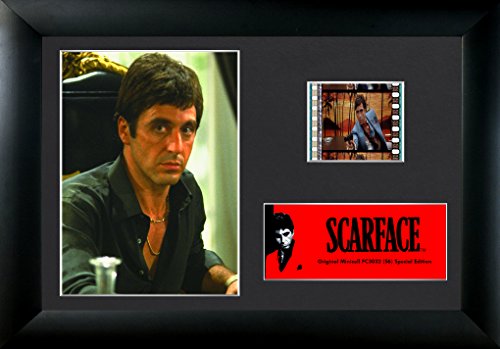
Listing names and images come from Amazon and are rechecked against the live listings; last checked Nov 8, 2026. No prices shown; the current price is on the listing.
Scope and limits. This guide is written from general knowledge of film formats, display conditions and preservation practices. It does not evaluate any individual listing or seller, so check the cell dimensions, image photos and storage history before you buy.