Bar length, weight, and chain speed decide most electric chainsaw results. A 12 to 16 inch bar covers limbing and small firewood in a suburban yard, while a saw under 10 pounds suits older hands and slope work. Pick a longer bar only for trunks over 10 inches, and accept slower cuts for easier handling.
Start With the Cut You Actually Make
Electric chainsaws split into three everyday jobs: limbing branches, bucking small logs, and trimming saplings. Limbing a 4 to 8 inch branch needs a 12 to 14 inch bar and a light saw you can lift to shoulder height. Bucking firewood under 10 inches thick works with a 14 to 16 inch bar. Trimming saplings and shrubs is the easiest task and rewards the smallest, lightest saw you can find.
Match the bar to the widest single cut you plan, not the biggest tree in the yard. A log that is 12 inches across needs a bar at least 14 inches long to cut in one pass without binding. If you only have a 10 inch trunk once a year, rent or borrow a larger saw for that day and keep your everyday saw light.
Weight Changes More Than Comfort
An electric chainsaw between 6 and 9 pounds is easy to carry up a slope and hold at arm's length for limbing. Saws over 11 pounds cut faster in thick wood but tire your shoulders within minutes. Older homeowners and anyone with wrist or grip concerns should stay under 9 pounds, even if it means cutting slower.
Weight also affects safety. A lighter saw is easier to pull back if the chain grabs, and easier to keep level when you cut above waist height. Compare the bare tool weight, not the weight with battery and oil, because some listings show the lighter number. A saw that feels light in the store can become front heavy once the bar oil and battery are loaded.
Corded Power or Battery Freedom
A corded electric chainsaw suits a small suburban yard where every tree is within 100 feet of an outlet. It costs less, never runs out of charge, and spins the chain at full speed as long as it is plugged in. The cord limits you to flat ground and a clear path, and you must manage the wire so it never falls across the cut line.
A battery chainsaw fits sloped lawns, back corners, and any yard where dragging a cord is unsafe. Modern battery saws cut through 6 to 10 inch branches without a pause, but a cold battery drops power faster. If you cut for more than 30 minutes at a time, buy a second battery or accept that the saw will slow near the end of a session.
Chain Speed and Bar Oil Decide the Feel
Chain speed, often listed in meters per second or feet per second, tells you how quickly the saw pulls itself through wood. A faster chain makes smoother cuts in green branches and leaves a cleaner face on firewood. A slower chain is easier to control for a beginner and less likely to kick back if the nose touches a branch.
Bar oil keeps the chain from overheating and the bar from wearing out. Most electric saws have an automatic oiler, but some budget models need a manual push every few cuts. Check the oil tank size: a 4 ounce tank runs dry faster than you expect during a long limbing session. Running a saw with low oil burns through chains quickly.
The Two Design Types You Will Meet
Compact limbing saws use a top handle or a rear handle and a bar from 10 to 14 inches. They weigh 6 to 9 pounds and are built for overhead work and small branches. Mid size yard saws use a rear handle, a 14 to 16 inch bar, and a wider motor housing. They cut faster and handle small trunks without being too heavy to carry.
Full size felling saws with 18 to 20 inch bars exist in the electric category but are rare. They cut the way a small gas saw does, at a weight that defeats the point for many suburban users. A pole chainsaw head is a different tool: a small saw on the end of a telescoping pole, for high branches without a ladder. It is not a ground saw.
| Design type | Bar length | Typical weight | Cutting pace | Best yard job |
|---|---|---|---|---|
| Compact limbing saw | 10 to 14 in | 6 to 9 lb | Slower, controlled | Branches and saplings |
| Mid size yard saw | 14 to 16 in | 9 to 12 lb | Faster, smoother | Small logs and limbing |
| Full size felling saw | 18 to 20 in | 12 lb and up | Fastest | Trunks over 12 in |
| Pole chainsaw head | 8 to 10 in | Head only, light | Slow, precise | High branches, no ladder |
A mid size yard saw is the default for a suburban garden with a few mature trees. A compact limbing saw wins when most of the work is overhead or the user wants the lightest possible tool. A pole saw is an addition, not a replacement, because it cannot reach the ground safely.
Reading a Listing Before You Buy
Check the bar length and the bare tool weight first, because those two numbers set the saw's limits. Then check the chain speed and the oil tank capacity. A listing that hides the weight or the speed is often hiding a heavy, slow saw. Ask the seller for the bare weight in pounds and the chain speed in meters per second if they are missing.
Look for a tool free chain tensioner, which lets you tighten the chain with a dial instead of a wrench. Check that the chain brake is a real mechanical brake, not just a plastic guard. Confirm the battery voltage and amp hour rating if you are buying cordless, because a 20 volt saw with a 2 amp hour battery cuts far less than the same saw with a 5 amp hour pack.
Ignore marketing phrases like professional grade or gas like power. Electric saws do not match gas torque, and they do not need to for small yard work. Focus on the numbers: bar length, weight, chain speed, oil capacity, and battery amp hours.
When a Different Tool Makes More Sense
Skip an electric chainsaw if you regularly cut trunks over 14 inches thick, fell standing trees, or cut for hours at a time. A gas saw or a corded saw with a long bar handles that work with less strain. Skip it also if your main job is pruning shrubs and thin branches under 2 inches: loppers or a small pruning saw are lighter, cheaper, and safer.
A cordless mowing setup for a small suburban yard often pairs better with a compact electric chainsaw than with a gas saw, because the batteries and chargers can be shared across tools. If you already own a battery platform from a string trimmer, check whether the same brand makes a chainsaw that fits your batteries before you buy a separate system.
See how a battery string trimmer for tight yards fits the same charging ecosystem in other light duty garden tools.
Mistakes That Show Up Later
Buying the longest bar available is the most common error. A 20 inch bar on a suburban electric saw makes the saw nose heavy, harder to start in a cut, and more likely to kick back. Most small yard jobs never need more than 14 inches. A shorter bar with a sharp chain cuts faster than a long bar with a dull one.
Forgetting the extension cord is a corded saw mistake. A thin indoor cord starves the motor and overheats the saw. Use a 12 gauge outdoor cord for runs over 50 feet, and a 14 gauge cord for shorter runs. A cord that is too long or too thin drops voltage and slows the chain under load.
Storing a saw with a full oil tank over winter is another quiet mistake. Bar oil leaks slowly and leaves a sticky mess on a garage shelf. Empty the tank or store the saw on a tray. Check the chain tension before the first spring cut, because chains stretch after their first few uses and a loose chain can jump the bar.
Electric Chainsaw Questions Buyers Ask
Is an electric chainsaw strong enough for a small yard?
Yes, for branches up to about 10 inches and occasional small logs. A 14 to 16 inch electric saw cuts green branches and dry firewood without stalling in normal use. It will not match a gas saw in thick hardwood or all day cutting, but it covers limbing, bucking, and storm cleanup in a suburban yard.
Which electric chainsaw is easiest for an older person to handle?
Look for a saw under 9 pounds with a 10 to 14 inch bar and a rear handle. A tool free chain tensioner helps avoid fiddly wrench work. A battery saw removes the cord hazard but adds battery weight, so compare the bare tool weight first and the weight with the battery installed second.
What is the right bar length for an electric chainsaw?
A 12 to 14 inch bar handles most small yard jobs including limbing and branches up to 8 inches. A 14 to 16 inch bar adds capacity for small firewood logs. Only buy an 18 inch or longer bar if you regularly cut trunks over 12 inches thick, because the extra length adds weight and kickback risk.
Should I buy a corded or battery electric chainsaw?
Buy corded if every cutting spot is within 100 feet of an outlet and the ground is flat. Buy battery if your yard has slopes, back corners, or no convenient outlet. Battery saws cost more up front and need a spare battery for sessions over 30 minutes, but they are far easier to use on uneven ground.
How do I compare electric chainsaw listings before buying?
Compare four numbers: bar length in inches, bare tool weight in pounds, chain speed in meters per second, and oil tank capacity in ounces. For battery saws, add battery voltage and amp hours. If a listing omits any of these, ask the seller or choose a listing that shows them.
The Electric Chainsaw That Fits a Small Yard
A homeowner with a small suburban yard, a few mature trees, and an occasional downed branch should start with a mid size saw: a 14 to 16 inch bar, a rear handle, and a bare weight under 11 pounds. That saw limbs, bucks small firewood, and cleans up after storms without becoming a burden. Someone cutting mostly on a sloped lawn or with reduced grip strength should instead choose a compact limbing saw with a 10 to 12 inch bar and a weight under 8 pounds. The lighter saw cuts slower but stays controlled overhead and on uneven ground, which matters more than speed in those yards.
Real electric chainsaw listings, so you can check the points in this guide against actual products. These are affiliate links: as an Amazon Associate we earn from qualifying purchases, at no extra cost to you.
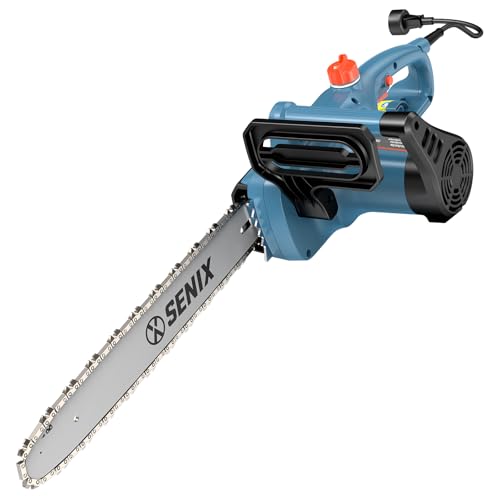 SENIX SENIX Electric Chainsaw, 14" Corded Chainsaw,CSE10-L | Electric Chainsaw, 14"…
View on Amazon ↗
 WEN WEN Electric Chainsaw, Corded,10-Amp, 14-Inch (CP1014)
View on Amazon ↗
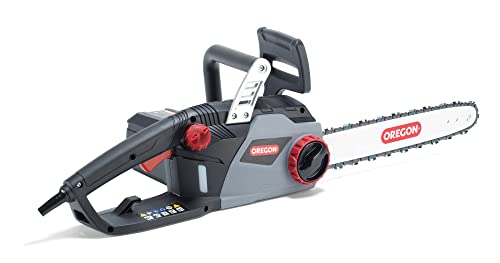 OREGON Oregon 2400W Corded Electric Chainsaw with 16" Guide Bar &…
View on Amazon ↗
Listing names and images come from Amazon and are rechecked against the live listings; last checked Nov 8, 2026. No prices shown; the current price is on the listing.
About this guide. This guide covers the electric chainsaw category as a whole, not individual models. It is written from general knowledge of how these saws work, without reading product reviews or handling specific units, so verify bar length, weight, and battery specs on the listing before you buy.