Roast level, origin, and caffeine content decide most of what you taste and how your stomach feels. Darker roasts drink smoother and sit easier, while light roasts keep more of the bean's origin character. A beginner or office pot does well with a medium roast blend, while a home barista chasing fruit notes wants a light single origin. The main tradeoff is between easy drinking and distinct flavor.
Roast level is the first decision
Roast level changes the cup more than any other choice. Light roasts keep more of the bean's natural acids and fruit or floral notes. Dark roasts push sugars toward caramel and chocolate and drop the perceived acidity. Medium roasts sit between the two, with a balanced body and sweetness.
For a sensitive stomach, a darker roast often feels gentler because it has less chlorogenic acid. That same acid is what gives a light roast its bright, tangy lift. If you love a juicy Ethiopian but feel it later, a medium roast of the same origin can be the compromise.
Check the listing for a roast description, not just a color photo. Words like "bright," "citrus," or "floral" point to a light roast. "Chocolate," "caramel," or "smoky" point to a dark roast. The bag's oil sheen can also hint at darkness, but descriptions are more reliable.
Origin shapes the flavor you can expect
Bean origin sets the baseline flavor before roasting. South American beans, like those from Colombia or Brazil, tend toward nutty, chocolatey, and balanced cups. East African beans, especially Ethiopian and Kenyan, lean fruity, floral, and wine like. Indonesian beans often taste earthy and heavy.
For a beginner or an office pot, a South American medium roast is a safe default. It pairs with milk and sugar without disappearing. For a home barista who wants to taste the farm, a light roasted East African single origin shows the most distinct character.
Single origin means all beans come from one farm, cooperative, or small region. It is not automatically better, but it is more specific. A blend combines beans from different places to hit a consistent flavor. If you want the same cup every morning, a blend is the easier choice.
Caffeine and decaf change the audience
Regular beans contain caffeine, roughly 80 to 120 milligrams per brewed cup, depending on the bean and brew method. Decaf beans go through a removal process before roasting, leaving a small amount of caffeine, often 2 to 5 milligrams per cup.
Decaf is a real option for late afternoon drinking, pregnancy, anxiety, or a sensitive stomach. The Swiss Water Process uses water and carbon filters to remove caffeine without chemical solvents. The CO2 process also avoids solvents. If the listing does not say, assume a solvent process was used.
Decaf beans lose some flavor during processing, so they often taste flatter than regular beans. A darker decaf roast can mask that flatness with caramel and chocolate notes. A light decaf is harder to pull off well.
Processing changes the cup behind the scenes
How the coffee cherry is processed after picking changes the flavor and body. Washed processing removes the fruit before drying, which leaves a cleaner, brighter cup. Natural processing dries the whole cherry, adding fruit sweetness and a heavier body.
Honey processing sits between the two, leaving some fruit pulp on the bean during drying. It can add sweetness without the fermented edge that naturals sometimes have. For a first natural coffee, expect a berry or jam note that can surprise a beginner.
A listing that names the processing method is giving you useful information. If it only says "100% Arabica," that is a starting point, not a guarantee of quality. Arabica beans are generally smoother than Robusta, but roast and processing matter just as much.
What the listing should tell you
A useful coffee bean listing names the roast level, origin, processing method, and whether it is regular or decaf. It also gives a roast date, not just a best buy date. Coffee tastes best within two to six weeks of roasting, so a recent roast date matters more than a long shelf life.
If the listing omits the origin or roast level, treat that as a red flag. "Gourmet blend" or "premium coffee" without specifics often hides a mix of lower grade beans. Ask the seller for the roast date and processing method if they are missing.
Whole bean versus preground is another listing check. Whole beans stay fresh longer because less surface area is exposed to air. If you do not have a grinder at home, preground is more convenient but loses aroma faster.
| Bean type | Acidity | Body | Best for |
|---|---|---|---|
| Dark roast blend | Low | Heavy | Sensitive stomachs, milk drinks |
| Medium roast blend | Medium | Medium | Beginners, office pots |
| Light single origin | High | Light | Home baristas, black coffee |
| Decaf dark roast | Low | Medium | Evening cups, caffeine avoiders |
A light single origin and a dark blend are almost different drinks. The same brew method will pull a bright, tea like cup from one and a heavy, chocolatey cup from the other.
Freshness and storage keep the bag worth buying
Coffee starts losing aroma within days of roasting. A bag with a roast date from the last two weeks will taste noticeably better than one roasted months ago. Buy only what you will drink in two to three weeks.
Store beans in an airtight container away from light, heat, and moisture. The original bag with a one way valve works if you squeeze the air out and seal it. A cabinet is better than the fridge, where condensation can stale the beans.
Grinding right before you brew makes the biggest freshness difference. A burr grinder gives even particles, which extract more evenly than a blade grinder. If you buy preground for convenience, expect the aroma to fade within a week.
Who should skip whole bean coffee
If you do not want to grind beans before brewing, whole bean coffee adds a step you may not use. Preground coffee or a pod system fits a rushed morning better. The flavor ceiling is lower, but the convenience is real.
If you drink coffee mainly with milk, flavored syrups, or sweeteners, a single origin light roast is wasted. Its delicate fruit notes disappear under milk. A medium or dark blend gives you the coffee backbone without the extra cost.
If you are buying for a large office or event, a consistent blend is easier than a rotating single origin. A single origin can change from bag to bag, while a good blend is designed to taste the same every time.
Mistakes that lead to a disappointing bag
Buying the darkest roast to avoid acidity can backfire. A very dark roast can taste bitter or ashy, which is a different kind of harsh. A medium dark roast often gives the low acid feel without the burnt edge.
Assuming a high price means a bean you will like is another mistake. A pricey light single origin can be too acidic for someone who wants a mellow cup. Match the roast and origin to your taste before paying a premium.
Buying a large bag to save money often means drinking stale coffee for the last two weeks. Coffee is a fresh product. A smaller bag you finish quickly tastes better than a big bag that sits open.
Coffee Bean Questions Worth Asking Before You Buy
Is decaf coffee easier on the stomach than regular?
Often yes, but not only because of the caffeine. Decaf beans still contain acids, and the decaffeination process can leave them slightly harsher. A dark roast decaf is usually the gentlest option because the roasting breaks down more acid. If caffeine itself bothers you, decaf removes that trigger while the dark roast handles the rest.
Is single origin coffee worth the extra money?
It depends on how you drink your coffee. If you drink it black and want to taste fruit, floral, or wine notes, a single origin light roast gives you that clarity. If you add milk or sugar, those notes get lost, and a blend at a lower price tastes just as good. Single origin is worth it for the experience, not for every cup.
Which single origin coffee beans are best for beginners?
A washed processed Colombian or Brazilian single origin is a gentle starting point. The cup is clean, nutty, and balanced without the intense acidity of an East African bean. Avoid natural processed Ethiopians at first, since their fermented fruit notes can be jarring. A medium roast keeps the origin character while smoothing the edges.
How do I know if coffee beans are fresh?
Look for a roast date on the bag, not a best buy date. Coffee is best within two to six weeks of roasting. If the bag shows only a best buy date a year out, it could already be months old. Whole beans also stay fresher longer than preground, so buy whole and grind just before brewing.
Which decaf coffee beans taste most like regular coffee?
Swiss Water Process decaf beans tend to retain the most origin flavor because they use water instead of chemical solvents. A darker roast decaf also masks the flatness that decaf can have. Look for a medium dark decaf from a South American origin if you want a cup closest to regular coffee.
Which Coffee Beans Fit Your Morning Cup
A beginner or office drinker who adds milk and wants a smooth, consistent cup should start with a medium roast South American blend. It is forgiving, affordable, and tastes good black or with milk. A home barista who drinks black coffee and wants to explore fruit or floral notes should instead buy a light roast East African single origin. The blend gives you comfort, the single origin gives you discovery, and each is the wrong pick for the other person.
Real coffee beans listings, so you can check the points in this guide against actual products. These are affiliate links: as an Amazon Associate we earn from qualifying purchases, at no extra cost to you.
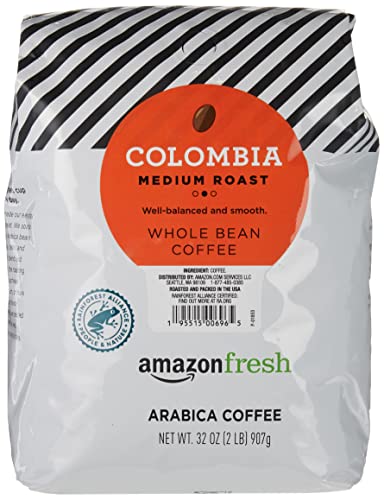 AMAZON FRESH Amazon Fresh, Colombia Whole Bean Coffee Medium Roast, 32 Oz
View on Amazon ↗
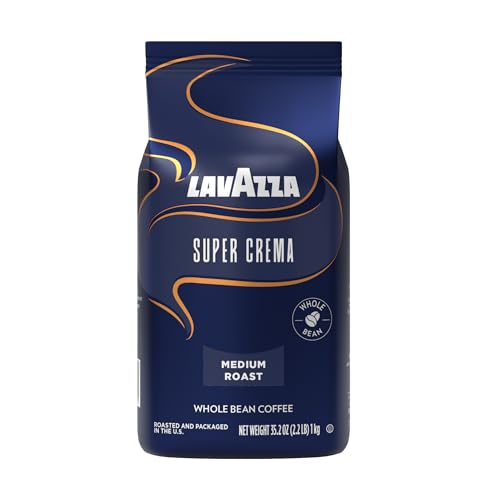 LAVAZZA Lavazza Super Crema Whole Bean Coffee, Medium Espresso Roast, Arabica…
View on Amazon ↗
 CAMERON'S COFFEE Cameron's Coffee Roasted Whole Bean Coffee, Breakfast Blend, 32 Ounce
View on Amazon ↗
Listing names and images come from Amazon and are rechecked against the live listings; last checked Nov 8, 2026. No prices shown; the current price is on the listing.
How to read this guide. This guide is written from general knowledge of how coffee beans are grown, processed, roasted, and brewed. It does not draw on any individual product documents, reviews, or tests, so you should verify the roast date, origin, and processing method on any listing before buying.