Metal purity, weight, and the premium over spot price decide most bullion coin purchases. Stackers who want the lowest cost per ounce should favor widely traded government issues with standard weights. Collectors who want a specific design or series will pay more above spot and should buy from sources with clear authenticity guarantees. The main tradeoff is liquidity against uniqueness.
Metal Purity Sets the Floor
Bullion coins are sold by their precious metal content, not their face value. A coin stamped .999 fine silver contains one troy ounce of pure silver, while a .9167 fine gold coin includes alloy metals for durability. Check the fineness and the troy ounce weight on the listing before comparing prices.
Purity matters most when you plan to hold the coin as a store of metal. A 1 ounce coin with .999 or .9999 fineness is straightforward to value because its melt price tracks the spot market closely. Lower purity coins, such as 22 karat gold, still contain a full troy ounce of gold but sell at slightly different premiums because of the alloy content.
Two coins can look alike and carry different metal content. A silver round from a private mint may be .999 fine, but it is not legal tender. A government issued silver coin of the same weight often carries a face value and a legal tender guarantee, which can support resale. Read the listing for the exact fineness, weight, and issuing authority.
Why the Premium Over Spot Is the Number to Watch
The spot price is the current market price for raw metal. The premium is what you pay above that for a minted coin. Standard one ounce bullion coins from major government mints often carry modest premiums because they are produced in large volumes and traded constantly.
A coin with a low mintage, a special finish, or a popular design can carry a premium several times higher than a standard bullion coin. That premium is not guaranteed to hold. If you sell during a period of weak collector demand, you may recover only a fraction of the premium even if the metal price has risen.
Compare the premium as a percentage of spot, not just as a dollar amount. A small coin with a low spot price can carry a deceptively high percentage premium. For example, a fractional gold coin may cost twice its melt value, while a one ounce coin of the same series costs only 5 percent above spot.
Some sellers list a price that bundles the premium into the total. Ask for a breakdown of the metal value and the premium, or calculate it yourself from the current spot price and the coin's weight. That step keeps you from paying a collector premium for a coin that is really just bullion.
Liquidity Separates Bullion From Collectibles
A liquid coin is one that many dealers recognize and buy without hesitation. Government mints issue the most liquid bullion coins: their weight, purity, and design are known worldwide. Private mint rounds can be cheaper to buy, but they may be harder to sell at full value later.
Liquidity matters most if you may need to sell quickly. A widely recognized coin sells close to spot at almost any dealer. A lesser known or privately issued coin may require you to find a specialized buyer, which takes time and can lower your realized price.
Think about who will buy the coin from you. If you sell to a local coin shop, they will likely offer less than spot for obscure pieces. If you sell online, you may face fees, shipping, and the risk of a buyer disputing authenticity. The most liquid coins minimize those frictions.
For pure metal exposure, choose a coin that dealers quote by name and weight. For a collection, accept that a design focused coin may sit longer before selling.
Read the Listing Like a Dealer
A listing should state the coin's issuing country, metal, fineness, troy ounce weight, and year of issue. If any of those are missing, ask the seller before buying. A photo alone does not prove the coin is genuine or that the photo matches the item you will receive.
Check whether the coin is described as brilliant uncirculated, proof, or circulated. Bullion coins are typically sold in brilliant uncirculated condition, meaning they have no wear but may show contact marks from minting and handling. A proof coin has a mirrorlike field and a frosted design, and it usually costs more because of the special production process.
Ask about the coin's packaging. Some bullion coins come in plastic flips, tubes, or sealed assay cards. Original packaging can support resale for seminumismatic coins, but it does not change the metal content. For a standard bullion coin, packaging matters less than weight and purity.
Confirm the seller's return policy and authenticity guarantee. A reputable seller will state whether the coin is tested, what happens if it fails authentication, and how returns work. If the listing is vague on those points, look elsewhere.
Standard, Proof, and SemiNumismatic: Three Paths
| Design type | Typical premium | Best for | Resale ease |
|---|---|---|---|
| Standard bullion | Low, close to spot | Metal stacking, dollar cost averaging | High, sold by weight |
| Seminumismatic | Moderate to high | Design fans, limited mintage | Moderate, depends on series |
| Proof bullion | High, collector driven | Display, gifts, registry sets | Lower, needs proof buyer |
Standard bullion coins are the working tools of metal accumulation. Their value tracks spot, and their premiums stay low because supply is large. Choose these when your goal is to own metal at the lowest cost per ounce.
Seminumismatic coins combine bullion content with a design that attracts collectors. They often have lower mintages or annual design changes. The metal still matters, but a larger share of the price reflects collector demand. Buy these only if you understand the series and are willing to hold through demand swings.
Proof bullion coins are made for presentation. They have frosted devices, mirrored fields, and often come in display cases with certificates. The premium reflects production cost and scarcity, not extra metal. Proof coins can lose value quickly if the case is opened or the surface is touched, so they are a poor choice for someone who simply wants silver or gold exposure.
Design and Marketing Claims That Do Not Add Metal
A striking design, a famous engraver, or a limited mintage can make a coin more desirable to collectors, but none of those features change the metal content. A one ounce silver coin with a popular design still contains one ounce of silver. Paying a large premium for the design is a bet on future collector demand.
Marketing language like 'rare', 'exclusive', or 'collector favorite' is not a guarantee of future value. Mintage limits matter only if demand for that series persists. Many limited issues sell above their intrinsic value at launch and then trade closer to spot later.
Special finishes, colorization, and gilding can add cost without adding resale value. A colorized bullion coin may appeal as a gift or a display piece, but the color layer can wear or peel, and many dealers will not pay extra for it. If you want metal, buy a plain bullion coin. If you want a display piece, buy the finish you like and accept that the premium may not come back.
The face value on a bullion coin is symbolic. A coin with a face value of one dollar can contain many times that in precious metal. Do not use face value to compare coins.
Storage and Handling Keep the Metal Sound
Bullion coins are softer than circulating coins, especially gold and high purity silver. Fingerprints, scratches, and dings do not reduce the metal content, but they can lower the resale value for seminumismatic and proof coins. Handle coins by the edges and store them in nonreactive holders.
Silver can tarnish when exposed to sulfur in the air, paper, or certain plastics. Tarnish is a surface reaction and does not destroy metal, but it can make a coin less attractive to a collector. Store silver in airtight holders or tubes, and avoid storing it in cardboard that contains sulfur.
Gold does not tarnish, but it can still be scratched. A soft cloth pouch or a hard plastic capsule protects the surface. For standard bullion coins, minor contact marks are normal and do not affect the melt value. For proof coins, any mark can cut the premium sharply.
Keep a record of your purchase: date, price, weight, purity, and seller. That record helps if you sell later or if you need to prove ownership for insurance. It also makes it easier to track your average cost per ounce.
- Handle by the rim, never the face.
- Use inert plastic capsules or tubes, not PVC flips.
- Store silver away from paper and rubber bands.
- Keep proof coins in their original sealed case.
- Log each purchase with weight, purity, and premium.
Who Should Skip Bullion Coins Entirely
If you want maximum metal for your money and do not care about legal tender status or design, consider bullion bars or rounds instead. Bars often carry lower premiums per ounce because they are cheaper to produce and package. Rounds from private mints can also undercut government coins on premium.
If you want exposure to precious metals without storing physical coins, an exchange traded fund or a pooled metal account may fit better. Those options track the spot price without the need to buy, store, or insure physical metal. They also avoid the buy sell spread that comes with physical coins.
If you are buying a coin as a gift for someone who will not understand its value, a proof or seminumismatic coin with an attractive design may be more meaningful than a standard bullion coin. In that case, the premium is part of the gift, not an investment cost.
If you cannot store a coin securely or you are uncomfortable verifying authenticity, physical bullion may not be the right choice. A coin that is lost, stolen, or counterfeit is a total loss, unlike a digital metal position.
Long Term Costs Beyond the Purchase Price
The premium you pay is the first long term cost. A coin bought at 20 percent above spot must rise 20 percent in value just to break even on the premium. That is why standard bullion coins with low premiums are easier to hold profitably over time.
Storage and insurance add ongoing costs. A safe deposit box or a home safe costs money, and a rider on your insurance policy may be needed for a large stack. Those costs are easy to ignore when you buy one coin, but they add up as your holdings grow.
Selling costs are the final piece. Dealers buy below spot and sell above it. Online marketplaces charge fees and may require shipping with signature confirmation. If you sell a coin for spot but pay 3 percent in fees and shipping, your realized price is below spot. Factor those costs into your expected return before you buy.
For a standard bullion coin, the main long term cost is the premium. For a proof or seminumismatic coin, the bigger risk is that the premium shrinks over time. Buy the coin whose cost structure matches how long you plan to hold it.
Bullion Coin Questions That Come Up After the First Purchase
How do I know a bullion coin is genuine?
Check the listed weight, diameter, and fineness against the issuing mint's published specifications. Buy from a dealer who states an authenticity guarantee and a return policy. A magnet test can catch some fakes in base metal, but it does not verify fineness. For high value coins, a professional testing service or a dealer with an XRF analyzer is more reliable.
What is a good premium for a one ounce silver bullion coin?
Premiums vary with market conditions and the specific coin. Standard government issued silver coins often trade a few dollars above spot, while private rounds may be slightly cheaper. A premium of 10 to 20 percent above spot is common for widely traded silver bullion in normal markets. Compare several dealers and calculate the premium as a percentage before buying.
Can I store bullion coins in a regular coin album?
You can, but it is not ideal. Many coin albums have cardboard pages that can contain sulfur, which tarnishes silver. PVC in some plastic pages can leave a sticky residue. For bullion coins, hard plastic capsules or tubes made of inert materials are safer. If you use an album, choose one specifically labeled as safe for long term storage of silver or gold.
Is a proof bullion coin worth the extra cost?
Only if you value the appearance, packaging, and low mintage for their own sake. A proof coin contains the same amount of metal as a standard bullion coin of the same weight and fineness. The extra cost reflects production and collector demand. If you want metal exposure, a standard bullion coin is more cost effective. If you want a display piece, a proof coin may be worth it to you.
Which is easier to resell, a government bullion coin or a private mint round?
A government bullion coin is generally easier to resell. Dealers and buyers recognize the weight, purity, and design instantly, so they quote prices without hesitation. A private mint round may be just as pure, but it lacks the same recognition. You may need to find a buyer who trusts the private mint, which can take longer and may result in a lower offer.
The Bullion Coin Pick for a Metal First Stacker
A stacker who adds one ounce of silver or gold every month should buy the most widely recognized government bullion coin they can find with the lowest premium over spot. That coin will track metal prices, sell quickly, and hold its value without relying on a design trend. For someone buying a single gift coin for a display shelf, a proof or seminumismatic coin with a design the recipient will love is the better call, even though the premium is higher.
Real bullion coin listings, so you can check the points in this guide against actual products. These are affiliate links: as an Amazon Associate we earn from qualifying purchases, at no extra cost to you.
 GENERIC 2026 - American Silver Eagle 1 oz Bullion Coin with…
View on Amazon ↗
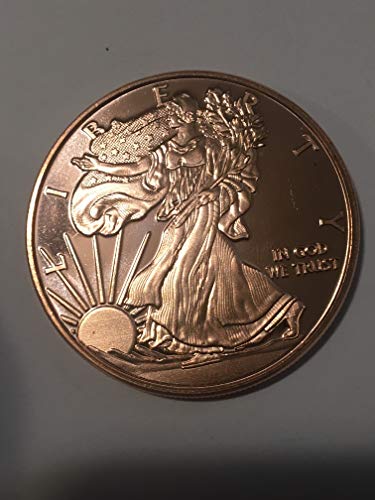 REEDERSONG Roll Pure Copper Bullion Rounds 20 Copper Coins New from…
View on Amazon ↗
Listing names and images come from Amazon and are rechecked against the live listings; last checked Nov 8, 2026. No prices shown; the current price is on the listing.
How to read this guide. This guide draws on general knowledge of bullion coin markets, minting standards, and common buying practices. It does not evaluate any specific listing, seller, or current market price, so verify the weight, purity, and premium on the exact coin you are considering before you pay.