A bedtime story that actually helps a child fall asleep depends on three things: how slowly it is read, how low and steady the narrator's voice stays, and how long it runs. A preschooler drifting off needs a calm, repetitive delivery, while an older child who listens for fifteen minutes can handle more story. The main tradeoff is between a voice that soothes and a plot that holds attention.
Pacing Is the First Thing to Check
A bedtime story works by slowing a child's nervous system, not by entertaining them to the end. Compare the narration speed before anything else. A reader who pauses between sentences and lets words trail off gives a child room to drift. A narrator who clips through dialogue or rushes toward a punchline keeps the brain tracking the next beat.
Listen to the sample with your eyes closed. Count how many seconds pass between the end of one sentence and the start of the next. A useful sleep story often has gaps of two to three seconds. A story read at daytime audiobook pace rarely settles anyone.
Sound effects matter less than most listings suggest. A soft rustle or a distant wave can help, but a sudden chime or a musical sting undoes the calm. Check whether the listing mentions continuous background sound or a music bed. A steady low hum is safer than a score that swells.
Voice Register Does More Than the Story
A narrator who sounds like a morning radio host will keep a child awake no matter how gentle the words are. The voice register is the pitch range and energy the narrator stays in. A low, unhurried voice with little rise and fall signals the body to power down. A bright, character driven performance does the opposite.
Look for narrators described as calm, soft spoken, or meditative. Avoid listings that promise a full cast, dramatic reenactment, or energetic storytelling. Those belong in a family car ride guide, not a bedtime shelf.
Accent and familiarity also play a role. A voice the child already associates with comfort, such as one similar to a parent's or grandparent's, can work even if it is not technically the lowest. The sample is the only reliable test. Play it at the volume you would use in a dark room.
Length Must Match the Child's Falling Asleep Time
A story that ends before the child is asleep forces you to restart or stack another one. A story that runs long wastes the last ten minutes on a child who is already out. Match the running time to how long the child typically takes to fall asleep.
For a child who drops off in ten minutes, a fifteen minute story with a very slow first half works well. For a child who needs thirty minutes, a single forty minute story or two shorter ones with a quiet transition works better. Check the total runtime on the listing and the chapter breaks. A story with natural stopping points every five to ten minutes is easier to end without a jarring stop.
Avoid stories that require you to skip ads or navigate through a long intro. A bedtime story should start within the first ten seconds. Any listing that opens with a loud promotional tag or a high energy theme song works against the routine.
The Two Design Types and Their Tradeoff
Bedtime stories cluster into two main designs: the guided relaxation track and the narrated tale. Guided relaxation uses breathing cues, progressive muscle prompts, and long silences. It is the most reliable for a child who struggles to wind down, but it often has almost no story to follow. A child who wants to hear what happens next may resist it.
A narrated tale keeps a story arc but varies wildly in how sleep friendly the narration is. A classic fairy tale read at a slow, steady pace can work beautifully. A serialized adventure with cliffhangers and distinct character voices tends to keep a child alert. The table below compares the common types by what they ask of the listener.
A third, smaller group is the white noise or nature sound collection with a light story frame. These work as a backup when a child is overtired and any plot is too much. They are also useful for background sound after the story ends.
| Story type | Pacing | Voice energy | Best for |
|---|---|---|---|
| Guided relaxation | Very slow, long pauses | Low, near whisper | Children who cannot settle |
| Repetitive lullaby tale | Slow, even rhythm | Low and steady | Preschoolers and toddlers |
| Classic fairy tale | Moderate, calm | Low to moderate | Children who need a story arc |
| Adventure chapter serial | Fast, varied | High and animated | Not for bedtime, better for daytime |
The tradeoff is real: the types most likely to put a child to sleep are the least interesting as stories. If the child fights sleep, choose the calmer end. If the child listens happily and still falls asleep, a gentle fairy tale can work.
Check the Sample for What the Listing Cannot Say
A listing can tell you the runtime, the narrator's name, and the intended age range. It cannot tell you how the voice feels in a quiet room at 8 p.m. The audio sample is the most important part of the page. Play it at low volume, not through laptop speakers at full blast.
Listen for three things. First, does the narrator's pitch stay low or does it swing up at the end of sentences? Second, are there abrupt sound effects or music swells? Third, does the narrator rush through the first thirty seconds or settle into a rhythm? A story that starts fast may never slow down.
If the sample is only musical or promotional, contact the seller or publisher and ask for a longer clip. Some listings also include chapter markers in the preview. A chapter title like 'The Quiet Woods' tells you more than 'Chapter 3'.
Mistakes That Turn a Bedtime Story Into a Wake Up Call
The most common mistake is buying a story because the child loves the character or the plot. A child who is excited about the next chapter is a child who is not falling asleep. Separate daytime listening from bedtime listening. A story can be wonderful and still be wrong for this shelf.
Another mistake is assuming a longer story is a better value. A ninety minute story for a child who falls asleep in fifteen minutes means you are paying for an hour of audio you will never hear. More useful is a collection of several short, self contained stories you can stop cleanly.
Buyers also overlook the routine around the story. If the child needs a bath, a song, and two books before the audio starts, the story's pacing matters less than its consistency. Choose a story you can start at the same point every night. A familiar opening becomes a sleep cue on its own.
Who Should Skip a Bedtime Story Altogether
A bedtime story is not for every child. A child who already falls asleep independently and has a quiet routine may not need an audio track. Adding one can create a new dependency that is hard to undo later. If the current routine works, leave it alone.
Children who are sensitive to sound or who startle easily may do worse with any audio at all. A fan, a white noise machine, or silence may serve them better. A child who becomes fixated on the device playing the story may also need a different tool.
For older children who listen to audiobooks during the day, a bedtime story can blur into entertainment. If the child asks to rewind or begs for one more chapter, the product is not doing its job. A simple music track or a guided breathing exercise may work better.
Long Term Use and What Changes
A bedtime story is a consumable in the sense that a child can outgrow a voice or a story. What soothes a three year old may bore a seven year old. Plan to revisit the choice every year or so. The good news is that a well chosen story often becomes a comfort object that a child asks for even when it is no longer age appropriate.
There are no physical consumables, but there is a habit cost. A story that requires a phone or tablet in the room introduces screen light and notification risk. Use a dedicated player, an old phone in airplane mode, or a smart speaker with a sleep timer. Check whether the platform supports a sleep timer before you buy.
If you use the same story every night, the child may begin to associate it so strongly with sleep that the first few words trigger drowsiness. That is a feature, not a flaw. Rotate only if the child seems bored; do not rotate for variety's sake.
Bedtime Story Questions Parents Ask Before They Press Play
How long should a bedtime story be for a toddler?
A toddler who falls asleep in ten to fifteen minutes does well with a story of fifteen to twenty minutes. The first few minutes should be very slow and repetitive. If the child is still awake when the story ends, you can restart it or use a short lullaby track as a bridge. Longer collections work better for toddlers who need more time to wind down.
What makes a narrator's voice sleep inducing?
A low pitch, a steady pace, and very little rise and fall in the voice. The narrator should pause at the end of sentences and avoid dramatic character voices. A whisper can work, but a very breathy whisper can become distracting. The best test is to play the sample at low volume in a quiet room and notice whether your own breathing slows.
Can I use a regular audiobook as a bedtime story?
Sometimes, but most regular audiobooks are paced for daytime listening. A slow, gentle classic read by a calm narrator can work. An adventure, mystery, or humor title with an animated reader will keep a child awake. Check the sample for pacing and voice energy. If the narrator sounds like a performer, save it for the car.
Is a guided sleep meditation better than a story for bedtime?
For a child who is anxious, overtired, or unable to settle, a guided relaxation track often works better than a story. It uses breathing cues and long silences to calm the body. For a child who wants a narrative to follow, a very slow story may work better. Some children resist being told to breathe, so try a short sample first.
Does the length of the story matter more than the narrator?
No. The narrator's pacing and voice register matter more than length. A short story read too quickly will wake a child up. A long story read very slowly can work if the child takes a long time to fall asleep. Match the pacing first, then choose a length that covers the child's typical wind down time.
The Bedtime Story to Start With
For a preschooler who takes fifteen to twenty minutes to fall asleep, start with a repetitive lullaby tale read by a low, steady narrator. Look for a runtime under twenty five minutes and a sample that stays calm throughout. For a child who is overtired and fights sleep, switch to a guided relaxation track with breathing cues and almost no plot. That track is the wrong pick for a child who needs a story arc to lie still.
Real bedtime story listings, so you can check the points in this guide against actual products. These are affiliate links: as an Amazon Associate we earn from qualifying purchases, at no extra cost to you.
 COTTAGE DOOR PRESS Take-Along Storyteller Bedtime Stories Interactive Electronic Take Along Storyteller with…
View on Amazon ↗
 FLEMIKIE Kids Story Player with Screen, Video & Audio, 90 Stories…
View on Amazon ↗
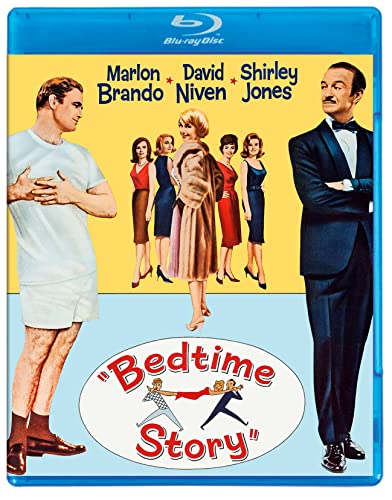 KINO LORBER Bedtime Story [Blu-ray]
View on Amazon ↗
Listing names and images come from Amazon and are rechecked against the live listings; last checked Nov 8, 2026. No prices shown; the current price is on the listing.
About this guide. This guide is written from general knowledge of how bedtime stories are structured and narrated, not from testing any individual title. It cannot tell you how a specific narrator sounds in your child's room, so always listen to the sample before you spend a credit.