Two factors decide most kids easel purchases: how the paper is held and how the easel stores. A tabletop or folding A-frame suits small spaces and occasional use, while a double sided standing easel rewards a dedicated play corner. The main tradeoff is between a big, stable surface and an easel that disappears into a closet.
Paper Grip Decides Whether the Easel Gets Used
The paper holder is the first thing to check. A spring clip that pinches the top edge works for single sheets but can slip when a child pulls hard. A full width clamp bar holds the paper flatter and resists tearing better.
A roll bar at the top adds convenience. It lets a child pull down a fresh sheet without adult help, but the roll mechanism adds a moving part that can jam. Compare the listing photos: a metal clip often grips tighter than a plastic one.
For preschoolers, a holder that releases easily matters as much as one that grips. A child who cannot change the paper alone will abandon the easel or drag a parent over every few minutes.
- Spring clip: cheapest, good for light paper, can slip
- Clamp bar: holds paper flat, needs two hands to open
- Roll bar: fresh sheets without help, more to break
Storage Shape Sets the Whole Room
Where the easel lives when nobody paints shapes the purchase more than any color. A tabletop easel folds down to a few inches and tucks into a drawer, but a child must sit or kneel to use it. A folding A-frame stands at child height and collapses against a wall, yet it still needs a closet or a corner.
A double sided standing easel is the most stable and the least portable. It usually has a chalkboard on one side and a dry erase or magnetic board on the other, plus a tray. That design invites two children to work at once, but it claims a permanent footprint.
For a small apartment, measure the folded depth, not the open width. Many listings show the easel open, which makes it look bigger than the space it will actually occupy.
Tray Depth and Cup Placement Prevent Spills
A shallow tray looks tidy but lets a cup tip forward when a child reaches for a brush. Look for a tray with a raised lip or a recessed cup slot. A tray that runs the full width of the board gives a left handed child the same reach as a right handed one.
Some easels place paint cups in a detachable caddy instead of a built in tray. That design simplifies cleaning because you can carry the caddy to the sink, but the caddy can get lost. A built in tray stays put and encourages putting supplies back.
Check the tray height in the listing. A tray fixed below a child's elbow forces awkward reaching, while one set at chest height blocks the lower part of the paper.
Surface Size and Board Type Change What Kids Can Draw
Paper size limits the artwork more than the easel brand. A 12 by 18 inch sheet suits quick sketches, while an 18 by 24 inch sheet gives room for a full scene. The larger the paper, the more the easel needs a back panel that supports the whole sheet, not just the top edge.
Board type matters for rainy weekends. A chalkboard side works without paper and never runs out. A magnetic dry erase side accepts magnets and wipes clean with a cloth. A plain wood or plastic back only makes sense if you plan to use paper every time.
For creative children who draw daily, a double sided board doubles the options: one side for chalk, one for markers, and paper clipped over either side when they want to keep the work.
Design Types Compared
| Design | Paper size | Storage | Best for |
|---|---|---|---|
| Tabletop | Small | Drawer flat | Small apartments |
| Folding A-frame | Medium to large | Closet or wall | Playrooms, occasional use |
| Double sided standing | Large | Stays open | Two kids, daily art |
| Wall mounted | Medium | Fixed to wall | Tiny rooms, no floor space |
A wall mounted easel is the hidden fourth option for a room with no floor space. It bolts to a wall and folds down over a desk or bed, but it commits to one spot and needs a stud or strong anchor.
Materials That Survive a Toddler
Solid wood feels sturdy and can be sanded and repainted, but it is heavy and costs more. Engineered wood with a laminate surface resists paint and marker stains better than raw wood. Plastic is the lightest and easiest to wipe, yet it can flex when a child leans on it.
Check the joints, not the surface. A listing that shows metal corner brackets or reinforced hinges will outlast one with glued dowels. On a folding easel, the hinge is the first part to fail, so look for a metal hinge with a locking mechanism.
For a preschooler, avoid any easel with a sharp corner at head height. Rounded edges and a wide base reduce the chance of a tip over when a child pulls on the board.
Care and Long Term Costs Stay Low
The easel itself needs almost no maintenance beyond wiping the board and tray. The real long term cost is paper and chalk. A roll of paper lasts longer per dollar than a pad of sheets, but it requires a roll bar and a cutting edge.
Dry erase markers run out faster than chalk and can stain clothing. Chalk creates dust that settles on the floor. For a playroom with carpet, a magnetic dry erase board with washable markers is easier to live with, though you will replace the markers.
If the easel has a chalkboard, check whether the listing says it is sealed. An unsealed board holds chalk better but stains with liquid chalk. A sealed board wipes cleaner but may need a light sanding after heavy use.
Mistakes That End in a Dusty Easel
The most common mistake is buying an easel for the child you imagine, not the child you have. A toddler who scribbles for three minutes does not need a double sided station with six paint cups. A tabletop board and a stack of paper will get more use.
Another mistake is ignoring the folded height. A folding easel that is four feet tall when open but folds to three feet may still not fit under a bed or behind a door. Measure the storage spot before ordering.
Skipping the paper size check leads to frustration. An easel built for a narrow roll will not hold standard 18 inch wide paper, and a pad that overhangs the board will tear. Match the paper to the board before comparing prices.
Who Should Skip a Kids Easel
A child who prefers drawing on the floor or on a clipboard may never use an easel. A large art tray on a table or a lap desk gives the same flat surface without the footprint. For a child under two, a floor mat and chunky crayons are safer and simpler.
A family that travels often or moves between rooms may find a portable lap desk more useful. An easel that must be carried up and down stairs between uses will end up staying in one place.
If the goal is one rainy afternoon, not a daily habit, a roll of butcher paper taped to a wall or a big cardboard box cut open gives the same vertical surface for free. The easel earns its cost only with repeated use.
Kids Easel Questions Before the Cart
Is an art easel for kids worth it if we have a small apartment?
Only if it folds flat against a wall or into a drawer. A wall mounted easel that folds down over a desk uses no floor space. A tabletop easel stores in a drawer. A double sided standing easel is not worth the footprint unless art happens daily.
Which art easel works best for a preschooler?
Look for a low, stable design with a simple paper holder and a wide tray. A tabletop easel on a low table or a small folding A-frame suits a preschooler who stands for short bursts. Avoid tall easels that force a reach above shoulder height.
What is the easiest kids easel to clean?
A plastic easel with a smooth, sealed board and a removable tray wipes clean in seconds. Chalk dust settles on the floor, so a dry erase board with washable markers is easier in a carpeted room. A raw wood surface absorbs paint and needs sanding.
Can a kids easel keep two children busy at once?
A double sided standing easel with a board on each side works for two children, but they will need enough elbow room. A single sided easel with a wide board can also work if you clip two sheets side by side, though one child will always have the better angle.
How do I choose between a chalkboard and a dry erase board?
Chalk is cheaper and more tactile, but it creates dust. Dry erase markers are cleaner but run out and can stain clothes. For a playroom with carpet, choose dry erase with washable markers. For a garage or outdoor space, chalkboard is more forgiving.
Which Kids Easel Fits Your Space
A family in a small apartment with a preschooler should pick a folding A-frame easel with a clamp bar and a dry erase board. It stands at child height, folds against a wall, and wipes clean. A different pick fits a playroom where two siblings draw daily: a double sided standing easel with a chalkboard side and a full width tray.
Real art easel for kids listings, so you can check the points in this guide against actual products. These are affiliate links: as an Amazon Associate we earn from qualifying purchases, at no extra cost to you.
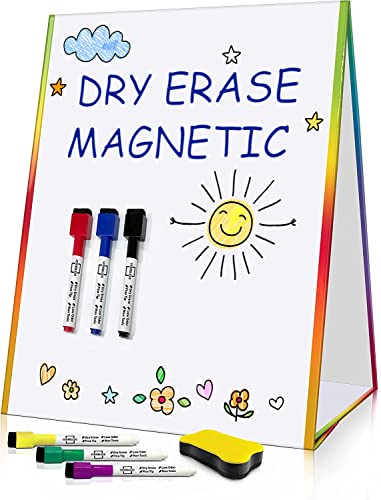 SCRIBBLEDO Scribbledo Table Top White Board Magnetic Easel for Kids Dry…
View on Amazon ↗
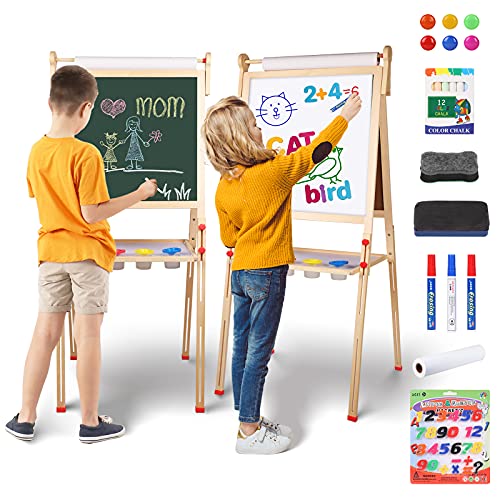 YOHOOLYO YOHOOLYO Kids Easel Standing Art Easel for Kids, Double Sided…
View on Amazon ↗
 MELISSA & DOUG Melissa & Doug Deluxe Double-Sided Wooden Standing Art Easel |…
View on Amazon ↗
Listing names and images come from Amazon and are rechecked against the live listings; last checked Nov 8, 2026. No prices shown; the current price is on the listing.
How to read this guide. This guide covers the kids easel category from general product knowledge, not from individual models. No reviews were read and no units were handled, so confirm the folded dimensions and paper width on the product page before ordering.